Mailchimp
Not subscribed to OpsMatters Newsletter


Managing IT operations is becoming increasingly complex due to the evolution of IT systems, the recent shift to a hybrid workforce, changing client requirements, and many other reasons. This is why IT admins like you need a solution that allows you to deal with these complex ongoing problems effortlessly.
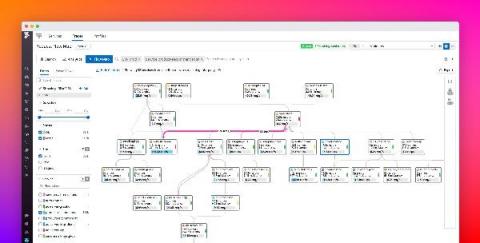
Modern applications are often composed of countless distributed services, which makes it difficult to understand dependencies, isolate bottlenecks, and remediate errors. Datadog APM helps you tackle this complexity by allowing you to search and analyze 100 percent of your traces in real time. But without a dynamic view of your architecture, it can still be challenging to contextualize a specific request without getting lost in the details.
For the first time in its 30-year history, the 2021 RSA Conference was a virtual-only event, and not in its usual time during the spring. But, with 20,000 registrants joining for the various sessions, it was a testament to this year’s conference theme of resilience.
Time flies and Healthchecks.io is already 6 years old. Here’s a quick review of notable recent events and the project’s current state.
More and more cloud providers are emerging and spreading their business across different regions in the current times. As a result, customers want to reduce their IT workload and migrate their product or application to a cloud-based environment. The primary reason behind this is that the cloud heavily reduces the overheads of investing in IT infrastructure, hardware upgrades, maintenance, etc.
Current observability practice is largely based on manual instrumentation, which requires adding code in relevant points in the user’s business logic code to generate telemetry data. This can become quite burdensome and create a barrier to entry for many wishing to implement observability in their environment. This is especially true in Kubernetes environments and microservices architecture.