Mailchimp
Not subscribed to OpsMatters Newsletter


Machine learning has infiltrated the world of security tooling over the last five years. That’s part of a broader shift in the overall software market, where seemingly every product is claiming to have some level of machine learning. You almost have to if you want your product to be considered a modern software solution. This is particularly true in the security industry, where snake oil salesmen are very pervasive and vendors typically aren’t asked to vigorously defend their claims.
In Part 1 of this series, we talked about the origins of observability and why you need it. In this blog (Part 2), we will cover exactly what observability is, what it isn’t, and how to get started. Before we can dive into how to approach observability, let’s get one thing clear: You can’t buy a one-size-fits-all observability solution.
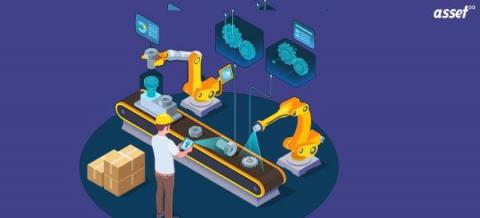
These days technology is essential for businesses as their clients only want the best technology. Moreover, competition is high and having the best technology is significant for running daily operations successfully. Therefore, when an organization is equipped with a lot of assets in order to keep them maintained. In the market, there are several technologies available for effective asset management such as Barcode, QR Code, RFID, GPS, BLE, NFC, IoT, etc.
Service virtualization is not new. In fact, the concept and technology were established 20 years ago. At its core, service virtualization offers the ability to simulate behavior, data, and performance characteristics of applications and services. Through service virtualization, teams can ensure they have an on-demand environment to support their testing needs.