Mailchimp
Not subscribed to OpsMatters Newsletter


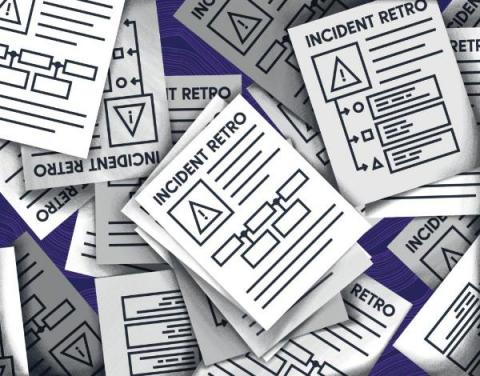
At a recent training session, Jeli spent a great deal of time covering incident retrospectives and what makes an incident worthy of studying. My colleague Ben Hartshorne asked a fascinating question, which I’ll paraphrase here: That caught me by surprise. We had a great discussion, and it made me consider approaches I hadn’t before.
Grafana is a popular open-source tool for visualizing and analyzing data from various sources. It provides a platform for creating interactive, customizable dashboards that display real-time data in various formats, including graphs, tables, and alerts. When powered by Mezmo's Telemetry Pipeline, Grafana can access a wide range of data sources and provide a unified view of the performance and behavior of complex systems.
Elasticsearch has made a name for itself as a powerful, scalable, and easy-to-use search and analytics engine, enabling organizations to derive valuable insights from their data in real-time. However, to truly unlock the potential of Elasticsearch, it is essential that the right data in the right format is provisioned to Elasticsearch. This is where integrating a telemetry pipeline can add value to Elasticsearch.
Avoiding vendor lock-in is a ‘must’ when it comes to working with new services. Those in ITOps, DevOps, or as an SRE also don’t want to be tied to specific vendors when it comes to their telemetry data. And that’s why OpenTelemetry’s popularity has surged lately. OpenTelemetry prevents you from being locked into specific vendors for the agents that collect your data.