Mailchimp
Not subscribed to OpsMatters Newsletter


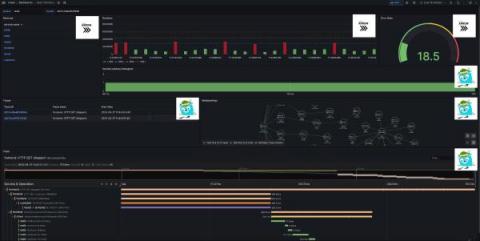
Here at InfluxData, we recently announced InfluxDB 3.0, which expands the number of use cases that are feasible with InfluxDB. One of the primary benefits of the new storage engine that powers InfluxDB 3.0 is its ability to store traces, metrics, events, and logs in a single database. Each of these types of time series data has unique workloads, which leaves some unanswered questions. For example: Luckily this is where our work within OpenTelemetry comes into play.
In any operation or activity, unforeseen happenings can derail progress. The job of a good manager is to try their best to make the hitherto unforeseen visible and planned for. It’s all too easy to find yourself reacting to occurrences that can throw you and the company into turmoil, with frantic fixing on the back foot being the result. The best managers can make it look like they don’t do much.
Memory databases are known for their ability to store and manage large volumes of data in memory. Their memory-based architecture allows users to quickly retrieve critical information and benefit from performant data reading. Thanks to these characteristics, businesses use memory databases for various applications that require prompt data access playing a vital role within their digital resources.