Mailchimp
Not subscribed to OpsMatters Newsletter


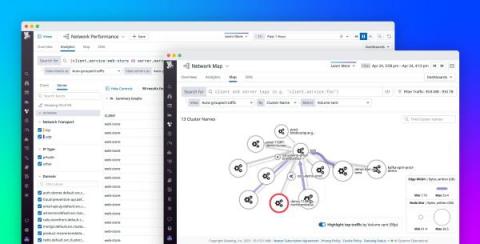
Effective network troubleshooting requires collecting and correlating thousands of data points across your entire stack. The more data you ingest, however, the more data you have to search through in order to locate important signals. This can make it hard to find the information you need during time-sensitive investigations.
In our article on managing static credentials, we discussed the necessity of secrets — the passwords, tokens, and API keys that connect digital services together — and the importance of keeping them secure so that your infrastructure and data are kept safe from intrusion and misuse. For organizations delivering software at scale, managing credentials across multiple teams and projects can quickly become tedious and error-prone, creating bottlenecks and unnecessary risk.
It’s 5:00 pm on a Friday. You’re wrapping up work, ready to head into the weekend, when one of your high-value customers Slacks you that something’s not right. Requests to their service are randomly timing out and nobody can figure out what’s causing it, so they’re looking to your team for help. You sigh as you know it’s one of those all-hands-on-deck situations, so you dig out your phone and type the "going to miss dinner" text.
Generative artificial intelligence (AI) is defining 2023. Numerous tech companies, including OpenAI and Google, have put out large language models (LLM) that can be used by consumers directly, or integrated into other products via an application programming interface (API). Many companies are rushing to include generative AI into new or existing products. Some are even doing so in customer touchpoints, such as digital kiosks.