Mailchimp
Not subscribed to OpsMatters Newsletter


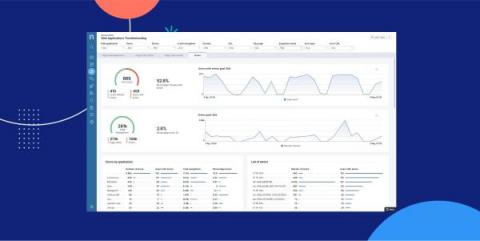
The explosive growth of web applications has created a serious blind spot for End User Computing (EUC) teams. While a few of the most business-critical custom web applications built by company DevOps teams are instrumented with Application Performance Management (APM) tools, the remaining commercial SaaS applications, whether customized/extended or “out-of-the-box” are a complete blind-spot.
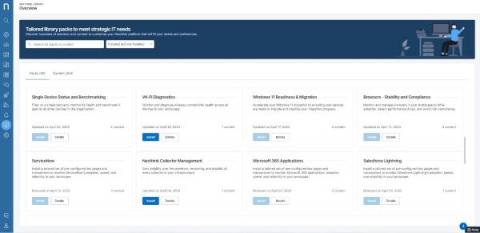
Customers invest in Nexthink to see, diagnose, and fix problems before they occur, resolve critical disruptions, and improve overall digital employee experience to drive workforce efficiency. But after initial implementation of your new DEX platform, where do you begin? You have a robust set of measured KPI’s that must be achieved to fulfill the business requirements outlined by key leadership stakeholders, and an entirely new platform to learn how to use.
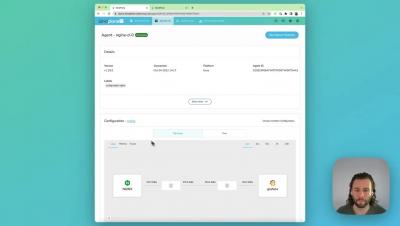
What's the difference between SREs and Platform Engineers? How do they differ in their daily tasks?
With remote work and bring your own device (BYOD) practices on the rise, mobile device management (MDM) has become a necessity. Using mobile device management, IT teams are able to control, secure, and manage mobile devices, such as smartphones, laptops, and tablets. In this mobile device management (MDM) overview, we will discuss what MDM is, its importance in the IT world, and best practices to follow.
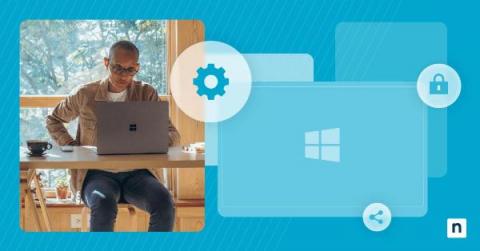
At the moment, Microsoft Windows is the most popular operating system in the U.S., with a market share of 32.63%. Due to the rising bring your own device (BYOD) trends and an increase in remote work, many employees are now using remote Windows devices to access organizational data and carry out business tasks. To protect confidential data and secure these remote devices, organizations depend on Windows mobile device management (MDM).