Mailchimp
Not subscribed to OpsMatters Newsletter


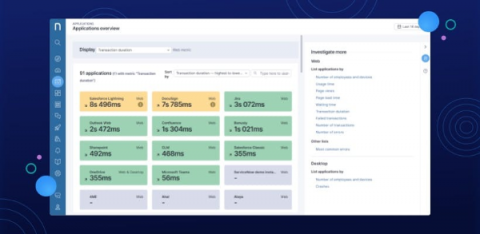
We have seen in the Series 1 of How To Improve the Performance of SaaS Applications using Nexthink on how Nexthink Application Experience could be leveraged to proactively monitor Page load times of Web Applications to improve user experience and application performance for increased business value. Let us see in part 2 of this series how Nexthink could be leveraged to monitor Application Transactions.
Migrating to a cloud model would reduce costs and let me focus on consumption pricing; reduce complexity by moving backend software and hardware support to the provider; and increase agility by letting my developers use all those nifty new tools that were emerging daily from cloud providers. The data center was heading the way of the dinosaurs! All was good. Everyone was happy. Well, in theory anyway. Until reality kicked in.
Prometheus is a robust monitoring and alerting system widely used in cloud-native and Kubernetes environments. One of the critical features of Prometheus is its ability to create and trigger alerts based on metrics it collects from various sources. Additionally, you can analyze and filter the metrics to develop: In this article, we look at Prometheus alert rules in detail. We cover alert template fields, the proper syntax for writing a rule, and several Prometheus sample alert rules you can use as is. Additionally, we also cover some challenges and best practices in Prometheus alert rule management and response.