Mailchimp
Not subscribed to OpsMatters Newsletter


In this article, we’ll take you on a quick tour of the new Lua event framework shipped with HAProxy 2.8—plus demonstrate how Lua helps you further customize HAProxy’s behavior. We’ll start with a brief, high-level overview of Lua and how HAProxy uses it. Next, we’ll introduce you to the Lua event framework, show you what you can do with it, and familiarize you with its mechanics.
Most organizations view their tech and network operations center and their budgets as simply the cost of running their internal and external IT services. However, through IT cost optimization, you can improve how your Ops center team responds to service issues and save valuable resources too. So, what specifically is IT cost optimization?
One of the most captivating discussions I had at KubeCon Europe 2023 in Amsterdam was about standardization of a query language for observability. This query language standard aims to provide a unified way of querying observability data across logs, metrics, traces, and other relevant signals. The conversation shed light on the pressing need for a standardized approach to overcome the challenges posed by the plethora of query languages currently in use.
On July 4th we celebrate. We celebrate freedom of movement, freedom of assembly, removal of excessive taxation, and much, much more. But what about digital independence? Removing the tyrannical yoke of control over your observability data. Authoritarian vendors restrict access and movement; they dictate proprietary formatting and even limit what can be commingled with your data, then apply enormous tax burdens (i.e. license fees) just to store your data.
Every business today is now a tech company, regardless of the product or service they offer. While Tesla is a tech company that manufactures automobiles, one may argue that Footlocker is also a tech company that happens to sell sneakers.
“Time is money” couldn’t be truer than in managing cloud costs. By way of proactive anomaly detection, a chance is given to save time that could have been spent on issue recognition and resolution. Anomaly detection for the Cloud can be tricky since there can be changes in prices & data on billing history anytime. Not to mention, seasonality can mess things up as well.
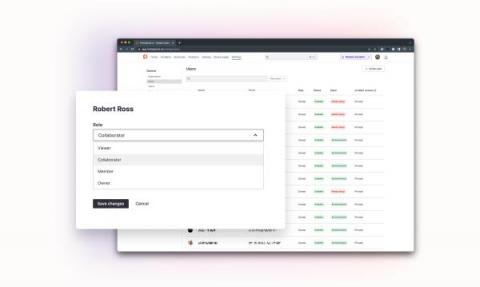
We’ve long believed that incidents (and technical team cultures) improve when more people are empowered to declare, follow, and contribute to their resolution. But not everyone in an organization needs to be able to manage the processes, rules, and settings a company enforces for their incident programs.
This month, Sysdig has released Process Tree which enriches the Events feed for workload-based events. This helps with identifying all the processes that led up to the offending process. This is in technical preview status. Sysdig has also released Sysdig Secure Live.