Mailchimp
Not subscribed to OpsMatters Newsletter


Discover how Kentik’s network observability platform aids in troubleshooting SaaS performance problems, offering a detailed view of packet loss, latency, jitter, DNS resolution time, and more. Phil Gervasi explains how to use Kentik’s synthetic testing and State of the Internet service to monitor popular SaaS providers like Microsoft 365.
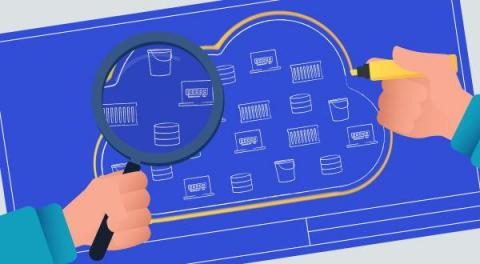
Architecting cloud instrumentation to secure a complex and diverse enterprise infrastructure is no small feat. Picture this: you have hundreds of virtual machines, some with specialized purposes and tailor-made configurations, thousands of containers with different images, a plethora of exposed endpoints, s3 buckets with both public and private access policies, backend databases that need to be accessed through secure internet gateways, etc.
This is the second blog in our deep dive series on serverless architectures. In the first installment, we explored the benefits and trade-offs of microservices and serverless architectures, highlighting the case of Amazon Prime Video's architectural redesign for cost optimization.
Managing an application's dependencies and tech stack across numerous cloud and development environments is a regular difficulty for DevOps teams. Regardless of the underlying platform it uses, it must maintain the application's stability and functionality as part of its regular duties. However, one possible solution to this problem is to create an OS image that already contains the required libraries and configurations needed to run the application.
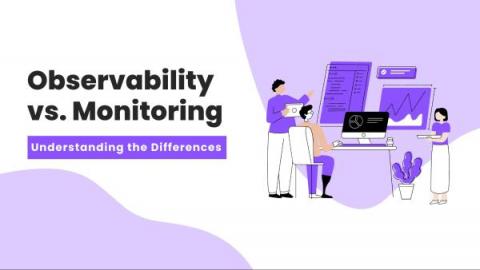
This post was written by Siddhant Varma. Scroll down to read the author’s bio. Software development isn’t just about building and deploying software. There’s a wide range of operations and activities you need to tackle even after you’ve successfully deployed it. The two most common are observability and monitoring. While they’re similar in a lot of ways, it’s important to understand that they are not exactly the same, and each has its own purpose.