The latest News and Information on APIs, Mobile, AI, Machine Learning, IoT, Open Source and more!
On August 13 2023, users of HashiCorp’s Terraform forked the software under the name OpenTF. This was a strong and rapid community reaction to HashiCorp switching the license on their products merely three days before. The list of companies and individuals pledging their support to the new fork has been overwhelming. The new license that HashiCorp has chosen for its products, the Business Source License (BSL), is no longer open source, but instead source-available.
To ensure a good end user experience, smart businesses periodically gather performance data from their websites. They measure the responsiveness and speed of their services to ensure fast and reliable websites. Having a responsive and fast website improves companies’ conversion rates, keeps their reputation intact, and helps increase traffic and revenue. Website monitoring applications help determine whether the website achieves the desired response times and uptimes.
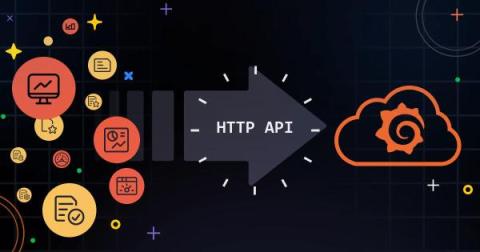
Extracting numerical values from public or private JSON API responses can help you track and analyze data, easily spot trends, and alert on data that is important to your business. If you can passively have this information periodically come to you and if you can receive alert notifications when certain conditions are met, you can avoid checking each metric manually and – obviously – save a ton of time. Synthetic monitoring tools let you do these things automatically.
For many software engineering teams, most testing is done in their CI/CD pipeline. New deployments run through a gauntlet of unit tests, integration tests, and even performance tests to ensure quality. However, there's one key test type that's excluded from this list, and it's one that can have a critical impact on your application and your organization: reliability tests. As software changes, reliability risks get introduced.