Creating a Knowledge Base with Fix History
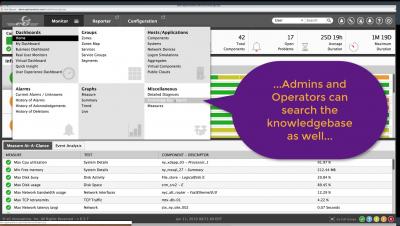
This video will show you how to use the Fix History and Fix Feedback capability of eG Enterprise to create a site-specific knowledgebase.


WSUS (Windows Server Update Service) is an add-on provided by Microsoft for patching Windows applications. Along with being free, the basic functionalities that WSUS provides makes it an easy choice for major SMBs. However, in reality, WSUS falls short in a number of ways; because of this, many teams that rely on WSUS for their patching needs end up investing in additional tools that usually come at an additional cost.
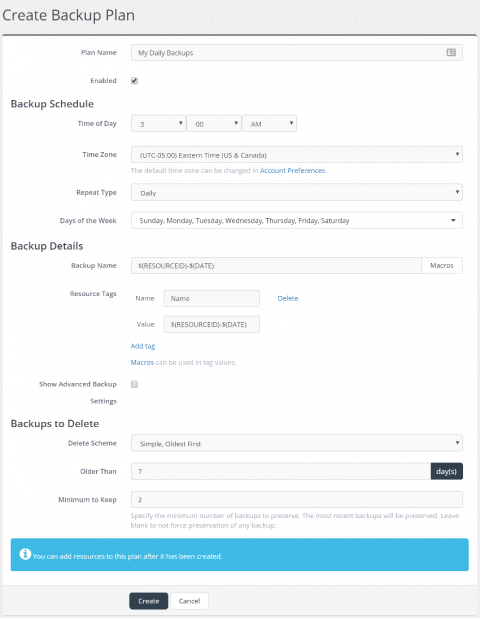
Today, I’m happy to announce a significant new feature to Skeddly: Managed Backups. Once you have created your plan and added resources, Skeddly will create the necessary actions to create and delete those backups according to your desired schedules.
We are thrilled to announce the formal launch of our global partner program. This program will provide more routes to market for distributors and value-added resellers (VARs) and create new service opportunities for managed service providers (MSPs), systems integrators (SIs), and consulting partners.
Here at Statuspage, we take pride in helping you communicate proactively to customers during a service outage. We also believe that during moments of stress times, the tools you rely on should be simple, intuitive, and easy to use. Using simplicity as our guide, we’ve updated the design of the Statuspage management portal. We kept things organized much as before, keeping the focus on what’s most important – helping you create and update incident communications.
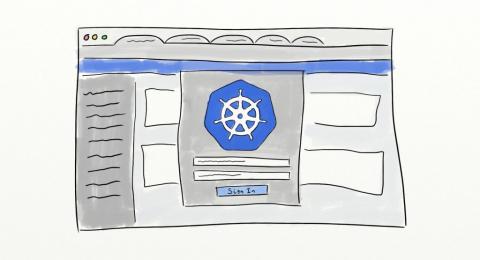
Over my last two posts (part 1 and part 2), I have investigated user authentication in Kubernetes and how to create a single sign-on experience within the Kubernetes ecosystem. So far I have explained how Open ID Connect (OIDC) works, how to get started with OIDC and how to perform a login from the command line. The final piece of this puzzle is the Kubernetes dashboard, often used by our engineers alongside kubectl.
Researchers at Netflix and Google recently reported a vulnerability in the HTTP/2 protocol that enables adversaries to execute a DOS attack by legitimate use of the protocol. These types of attacks are very difficult to detect and mitigate because the traffic is valid HTTP/2 traffic. While HTTP/2 is a relatively new protocol it should be noted that even after several years of hardening we still see vulnerabilities for the TCP protocol like the recently reported SACK vulnerability.
AWS introduced the Serverless Application Model (SAM) to ease the building of serverless applications on AWS. Essentially, it is an extension of AWS CloudFormation, and consists of two major components: SAM template specifications and SAM CLI. In this article, we’re going to share five tips to get the most out of AWS SAM templates. So, without further ado, let’s dive right in.