Operations | Monitoring | ITSM | DevOps | Cloud

Monitoring Kubernetes with Grafana and InfluxDB

Most software architects and developers know that they need to monitor their systems. What often prevents them from implementing an effective monitoring solution is the plethora of choices they face. To set up a monitoring solution, you first have to decide what you want to monitor and how you want to monitor it. Then you have to settle for a collection and storage method. Next, you have to implement the interesting metrics in your system and start collecting them.
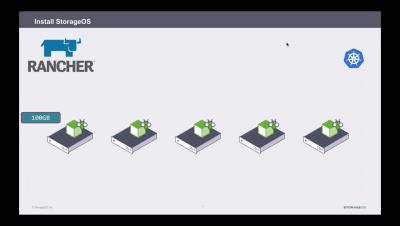
Kubernetes Master Class: Deploy WordPress and MySQL without Data Loss

Applications such as WordPress or MySQL require the use of data persistence. It is common when deploying such applications to use a HostPath volume as it is agnostic from the platform. A HostPath volume shares the filesystem of the Host within the container making the data available between pod restarts. However, it ties the data to one node only, creating a single point of failure and restricting any kind of scalability. Kubernetes is not able to schedule the application in any other node even if it is unavailable. This leads to eventual data loss.

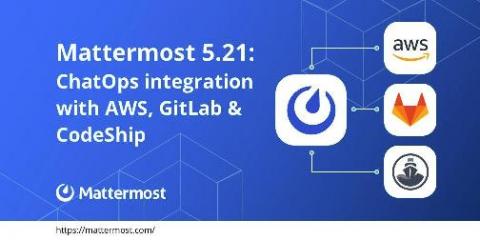
Mattermost 5.21: ChatOps integration with AWS, GitLab, and CodeShip, and more

Mattermost 5.21 includes improvements that will help your team work together more effectively. Some of these improvements, including the following ChatOps integration and plugins, were built during our successful open source chatbot hackfest that brought together 2,000 contributors from around the world.

Three Steps to Better Insights and Better Outcomes

In the past, IT asset management and IT service management processes have been separate disciplines with different objectives and goals. Given this reality, Ivanti recently surveyed over 1600 IT professionals to better understand the alignment of asset and service management processes. Some results weren’t surprising. Laptop and desktop computers are the most common managed assets, while niche industry-specific devices are the least managed. Our key finding, however, is clear.

Service Management in This Time of Widescale Remote Work

With the current focus on social distancing and other health precautions, service management leaders are probably already thinking about short-term implications of these rapidly incoming changes. The large-scale increased use of remote work is one implication. This might be a new option or an immediate mandatory requirement for all employees. Regardless, many IT organizations may not be ready.

Releasing Icinga DB v1.0 RC1

We have talked about it for a long time, but now it is here: The Icinga DB RC1 In case you managed to avoid all of the talk about it, Icinga DB is the replacement for our IDO (Icinga Data Output). What does this mean for you? It means SPEED. Especially for larger environments. So, what’s in the RC? It is basically a finished product. We want to give both you and us some time to test it out, find bugs and get comfortable with it.

The Ever-Changing IT Industry

Information technology (IT) never slows to a standstill. Technological change disrupts current processes or operations, requiring organizations to make alterations to IT spending. Deviating from legacy technology to 21st century advancements isn’t an option, it’s a requirement! Through automation and powerful integrations, organizations can breathe freely.