Operations | Monitoring | ITSM | DevOps | Cloud




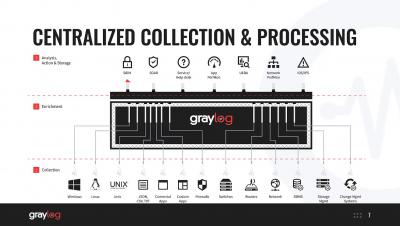
Tech Talk 3 Monitoring for Insider Threats

Ruby Garbage Collection: More Exciting than it Sounds
Running software uses computer memory for data structures and executable operations. How this memory is accessed and managed depends on the operating system and the programming language. Many modern programming languages manage memory for you, and Ruby is no different. Ruby manages memory usage using a garbage collector (also called gc). In this post, we’ll examine what you, a Ruby developer, need to know about Ruby’s gc. Use the links below to skip ahead in the tutorial.
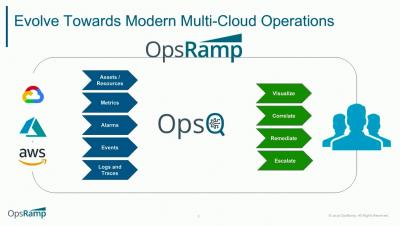
Cloud to Cloud, Easily Integrate Cloud Monitoring Tools in a Time of Remote Work

Using NGINX as a Queue for JSON Payloads

Top 3 Network Performance Monitoring Use Cases for SPs & MSPs | Obkio

Making employees feel appreciated with the UMatter bot
In the middle of January 2020, I got a notification about the upcoming Mattermost hackathon that was being hosted on the HackerEarth platform. I checked out the hackathon page but I forgot about it the next day when I went to work. One morning, I was surfing the internet sipping my coffee and landed on a website that discussed why employee churn rate is high in organizations.
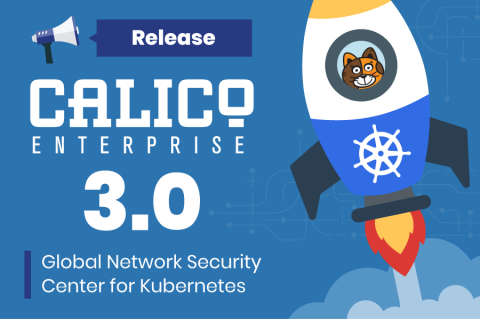
Calico Enterprise 3.0 - Global Network Security Center for Kubernetes
As our enterprise customers build out large, multi-cluster Kubernetes environments, they are encountering an entirely new set of security challenges, requiring solutions that operate at scale and can be deployed both on-premises and across multiple clouds.

Why GOPROXY Matters and Which to Pick
Starting with Go 1.13, Go modules are the standard package manager in Golang, automatically enabled on installation along with a default GOPROXY. But with other GOPROXY options like JFrog GoCenter, as well as your own Go module packages you need to keep secure from public view, what kind of configuration should you choose? How can you keep your public and private Golang resources from becoming a tangled knot?