Operations | Monitoring | ITSM | DevOps | Cloud

Securing IaaS, PaaS, and SaaS in 2020 with a Cloud SIEM

As the cloud continues to expand with no end in sight, it’s only wise to invest in it. Infrastructure-as-a-Service, Platform-as-a-Service and Software-as-a-Service bring significant cost savings (personnel and ownership), improved performance, better reliability, freedom to scale and - above all - significant security benefits. It’s no wonder that so many businesses have already adopted all three of these models.

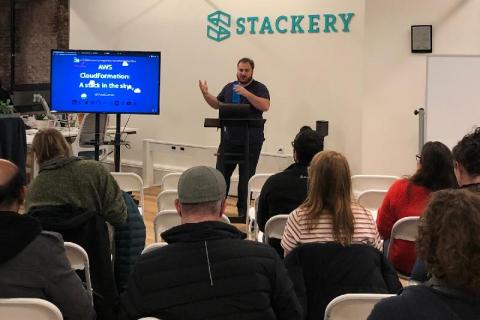
Serverless Meetup Recap - AWS CloudFormation with Yves Gurcan

Team Stackery has been hosting the PDX Serverless Architecture meetup at our Portland office since June of 2018, although the meetup began the year before. It’s always great to see repeat visitors and new faces, and especially to see our community change over the months. In February, we had an entertaining, dynamic, and knowledgeable speaker in Yves Gurcan.

Connecting Ethereum

ETHDenver connects developers, technologists, cypher punks, coders, crypto-economists, designers and makers to build on Ethereum, making it the perfect place to debut Splunk Connect for Ethereum. The use cases we saw added observability to blockchains like Ethereum mainnet and sidechains in real time. As the event went on, use cases and requests continued to pop up (which you'll see below); the app was used to index not just ethereum mainnet, but also sidechains such as xDai and OST Mosaic.

Top tips to improve JavaScript performance for faster websites

Performance is one of the most important concerns when developing an application. All software developers should monitor and improve performance in every layer of the application. From the database to the server-side language, there are plenty of opportunities for performance issues to arise, and the front end is certainly no exception. So that’s why today we’re talking about JavaScript performance and how to improve it.

Kubernetes Rolling Update Configuration

Deployment controllers are a type of Pod controller in Kubernetes. They provide fine-grained control over how its pods are configured, how updates are performed, how many pods should run, and when pods should be terminated. There are many resources available for how to configure basic deployments, but it can be difficult to understand how each option impacts how rolling updates are performed.

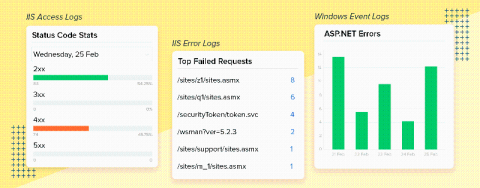
Three ways to debug IIS web server failures using logs

Unresponsive and slow pages are both terrible for any website. Even with the best user interface (UI), unresponsive and slow pages negatively affect the customer experience and the brand's reputation. Research from the Nielsen Norman Group has determined that the average user will leave a site after about 10 seconds of waiting for a page to load. If your page takes longer than a few seconds to load, it's time you check your IIS server logs.

Derdack

Derdack’s enterprise alerting software automates alerting processes and enables a fast, reliable and effective response to incidents threatening the continuity of services and operations.

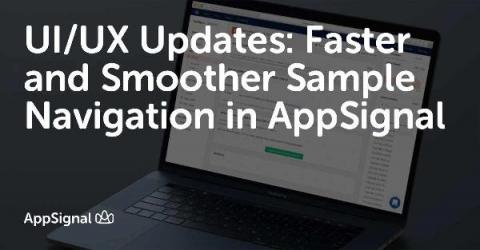
UI/UX Updates: Faster and Smoother Sample Navigation in AppSignal

Today, we’re bringing you an update of the performance/exceptions sample page. This update includes a number of improvements that will help you navigate and filter the available samples faster and more smoothly. We’re bringing these changes as an iteration of sample navigation improvements that we launched a while ago. We received valuable feedback from our users: the overlay made the navigation choppy instead of fluent.

How to configure Grafana as code

Grafana dashboards can do a lot, but do you know how much more you can get out of them by configuring them as code? That was the topic of a recent FOSDEM 2020 talk by Grafana software developer Malcolm Holmes and Julien Pivotto, an open source consultant at Inuits. In their presentation, the pair discussed Grafonnet (a Jsonnet library to generate Grafana dashboards), provided tips and tricks about how to use it efficiently, and explained how to fully manage your Grafana instances from code.