Kubernetes has emerged as a cornerstone of modern infrastructure orchestration in the ever-evolving landscape of containerized applications and dynamic workloads. One of the critical challenges Kubernetes addresses is efficient resource management – ensuring that applications receive the right amount of compute resources while preventing resource contention that can degrade performance and stability.
In the vast digital landscape of the internet, where websites and web applications serve countless users daily, there exists a silent but powerful guardian of information – Apache logs. Imagine Apache logs as the diary of your web server, diligently recording every visitor, every request, and every response. At its core, Apache logs capture a variety of critical information. They record the IP addresses of visitors, revealing their geographic locations and potentially malicious activities.
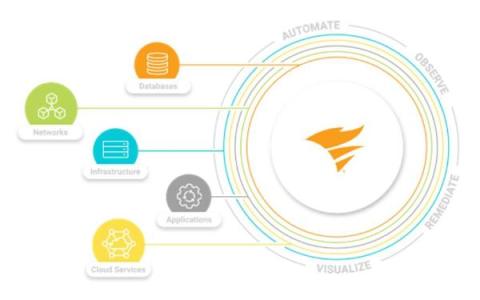
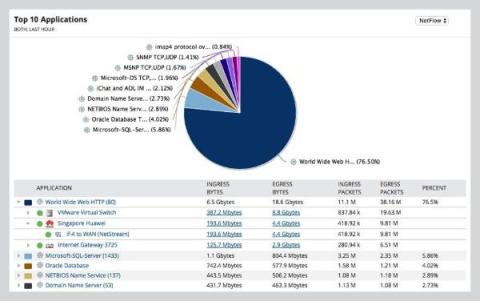
After successfully deploying and implementing a software system, the subsequent task for an IT enterprise revolves around the crucial aspects of system monitoring and maintenance. An array of monitoring tools has been developed in alignment with the software system's evolution and requirements. Monitoring tools for software systems provide the essential insights that IT teams require to comprehend the real-time and historical performance of their systems.
Containers are an amazing technology. They provide huge benefits and create useful constraints for distributing software. Golang-based software doesn’t need a container in the same way Ruby or Python would bundle the runtime and dependencies. For a statically compiled Go application, the container doesn’t need much beyond the binary.
From DX UIM 20.4 CU4 onward (that is, releases that have robot version 9.36 or above), robots automatically support Linux versions with newer GNU C Library (commonly known as “glibc”) versions. Prior to CU4, DX UIM robots needed certification and a release to provide support or compatibility with newer Linux operating systems that have a higher glibc version.
In order for fleet managers at Daimler Truck to manage the day-to-day operations of their vast connected vehicles service, they use tb.lx, a digital product studio that delivers near real-time data along with valuable insights for their networks of trucks and buses around the world. Each connected vehicle utilizes the cTP, an installed piece of technology that generates a small mountain of telemetry data, including speed, GPS position, acceleration values, braking force and more.