Operations | Monitoring | ITSM | DevOps | Cloud

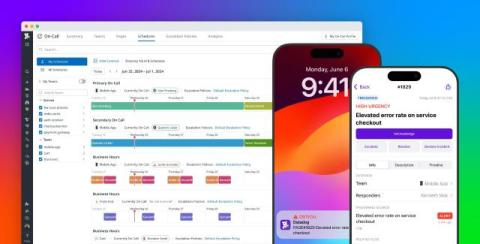
Enrich your on-call experience with observability data at your fingertips by using Datadog On-Call

The stress, sudden disruptions, and high stakes of resolving issues while on call is one of the most challenging aspects of an engineer’s job. Many organizations, from startups to large enterprises, still struggle with their on-call experience, which leads to longer resolution times and lower employee retention rates. Constant context switching, managing multiple tools, and racing against time to resolve issues can cause frustration, burnout, and inefficiency.


gRPC vs HTTP vs REST: Which is Right for Your Application?

When building modern applications, choosing the right communication protocol is crucial for performance, scalability, and ease of integration. Among the most common options, gRPC, HTTP, and REST often come up in discussions, each with its strengths and weaknesses. But how do you know which one to use? Let’s break it down in this comprehensive comparison.

How to Set Up and Manage Cron Jobs in Node.js: Step-by-Step Guide

Cron jobs are an essential tool for automating repetitive tasks in backend development. Whether you're running scheduled tasks like sending out emails, cleaning up databases, or performing regular backups, a cron job in Node.js can handle the heavy lifting. In this guide, we’ll walk through everything you need to know about cron jobs in Node.js, from setup to execution.

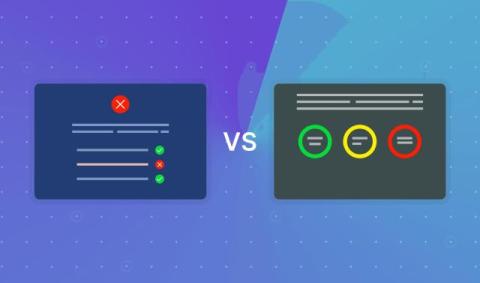
Status Pages vs Service Dashboards: Key Differences Explained

They might seem very similar at first sight, but when you zoom in on them, the differences are more apparent. Status Pages and Service Health Dashboards serve distinct purposes and cater to different audiences. As organizations adopt more complex systems, the tools used to communicate about service health and performance have become equally important. Let’s dive into the key differences, use cases, and how these tools complement each other.

Best server monitoring tools in 2025 [47 analyzed, top 5 picks]

Let's be honest – managing servers isn't getting any easier. With distributed systems, cloud infrastructure, and complex applications, there's more to monitor than ever before. You could try keeping track of everything manually. There's nothing inherently wrong with checking your server metrics yourself and responding to issues as they come up. But here's the reality: if you want to run a reliable, high-performing system, you need proper monitoring tools.

What is Defense in Depth and how can you apply it with Ubuntu?

Find out how you can apply a Defense in Depth approach with Ubuntu. Ubuntu’s security offerings are much more than just a collection of tools: they are an ecosystem of layered defenses, each tuned to address specific threat levels and attacker capabilities. By understanding the unique threats each layer counters, you can make informed choices about which defenses are most important for your environment.

Databricks Cost Optimization: 8 Tips To Maximize Value

Data engineering. Data science. Machine learning. Data governance. These are just a few of the many capabilities that make Databricks a favorite among developers and data engineers. Yet, most have one common complaint — its cost. Some say it’s too expensive, especially for small and medium-sized organizations. Others find it hard to justify using the platform due to budget limits. In addition, maintaining and running data warehouses can be costly.

The Evolving Role of Digital Asset Management

Digital Asset Management (DAM) systems have become essential for businesses managing vast libraries of media files, documents, and other digital assets. As content production accelerates across industries like media, sports, and retail, the need for centralized, secure access has grown exponentially. Modern workflows demand tools that allow teams to locate, share, and collaborate on assets seamlessly. Without a reliable DAM platform, organizations risk inefficiency, versioning issues, and data silos that hinder productivity and growth.

Making Business Decisions Without Stress

Research shows that stress significantly compromises one's ability to make good decisions. It affects one's judgment and reasoning capabilities. Experienced professionals struggle with making balanced choices during deeply uncertain times. Making better choices does not need to be an intimidating process. The famous Jeff Bezos' 70% rule suggests you can make working decisions with just 70% of the information you wish you had. Your ability to process new information and make more precise choices improves significantly when you follow simple practices like getting enough sleep.