On June 20 we have released the 3rd update for EnterpriseAlert 2019. Don’t get confused by the version number, 8.2.0 would better be 8.3.0, but that’s the way it is. Here is a very short EA 2019 release history for CY 2019.
When I browse Stackery’s documentation and blog, I see some great writing that I know not everyone has read. Check out these great articles essential to growth as a developer.
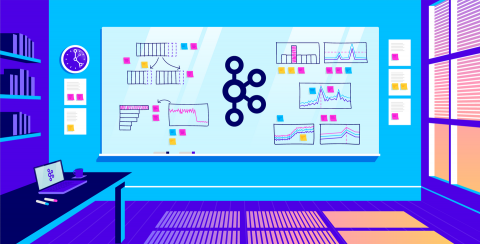
At Datadog, we operate 40+ Kafka and ZooKeeper clusters that process trillions of datapoints across multiple infrastructure platforms, data centers, and regions every day. Over the course of operating and scaling these clusters to support increasingly diverse and demanding workloads, we’ve learned a lot about Kafka—and what happens when its default behavior doesn’t align with expectations.
It all started with monolith architecture; business logic, user interfaces, and data layers were stored in one big program. As tightly coupled applications, a simple update to the program meant recompiling the entire application and redistributing the program to all users. That led to the difficulty of maintaining consistent program versions and distribution across all clients in order to ensure stability and alignment. This made the monolith approach inefficient and cumbersome.
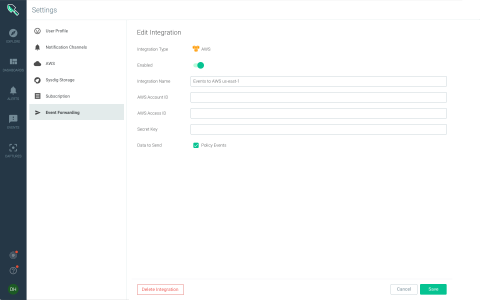
Today, Sysdig is proud to announce our integration with the AWS Security Hub. AWS Security Hub consolidates alerts and findings from multiple AWS services including, Amazon GuardDuty, Amazon Inspector, as well as from AWS Partner Network (APN) security solutions, which Sysdig is already a part of. This single pane of glass gives you a comprehensive view of high-priority security alerts and compliance status across AWS accounts.
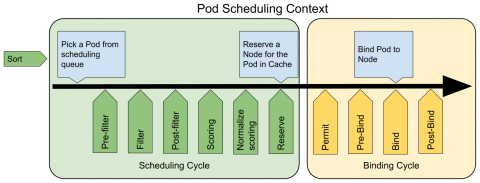
Another outstanding Kubernetes release, this time focused on making the CustomResource a first class citizen in your cluster, allowing for better extensibility and maintainability. But wait, there is much more! Here is the full list of what’s new in Kubernetes 1.15.
Managing agile software deployment for cloud infrastructure can be challenging. Deployments should be automated whenever possible to ensure consistent version management. Nevertheless, it can happen that identical software versions are not deployed to all servers. Such imperfect version management is a potential time-bomb. Distributed systems and microservices often rely on the deployment of the exact same software version installed on every cluster node.
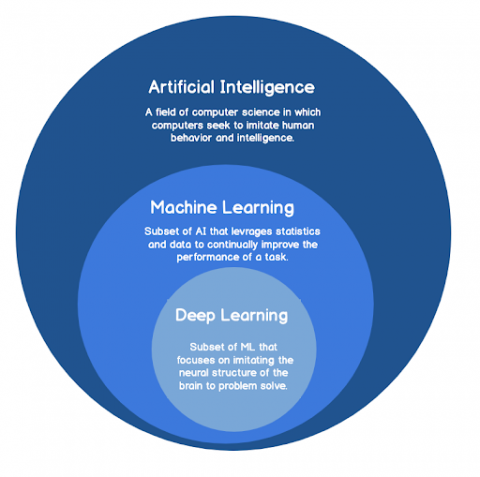
LogicMonitor is proud to announce anomaly visualization as an addition to our growing AIOps capabilities! With this new functionality, users are able to visualize anomalies that occur for a monitored resource and compare that anomaly to key historical signals, such as the past 24hrs, 7 days, or 30 days. Anomaly visualization complements LogicMonitor’s existing forecasting functionality and provides another layer of intelligence to better understand resource health.