Operations | Monitoring | ITSM | DevOps | Cloud

How the kubernetes community responded to the k3s launch

What an amazing first week! I’ve been marketing open source technologies for over 15 years. During that time, I’ve been involved in many new product releases. Nothing comes close to the response we’ve had from k3s – http://k3s.io. Judging by the incredible feedback (including over 4,500 GitHub stars in one week), the release of k3s appears to have landed at exactly the right time.
The service mesh era: Using Istio and Stackdriver to build an SRE service

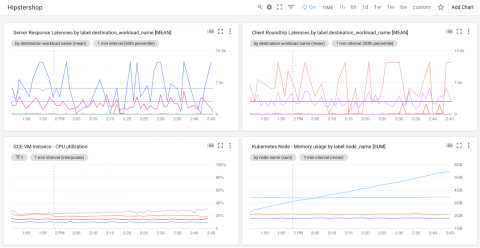
Just to recap, so far our ongoing series about the Istio service mesh we’ve talked about the benefits of using a service mesh, using Istio for application deployments and traffic management, and how Istio helps you achieve your security goals. In today’s installment, we’re going to dig further into monitoring, tracing, and service-level objectives.

Introducing Incident Insights for status pages

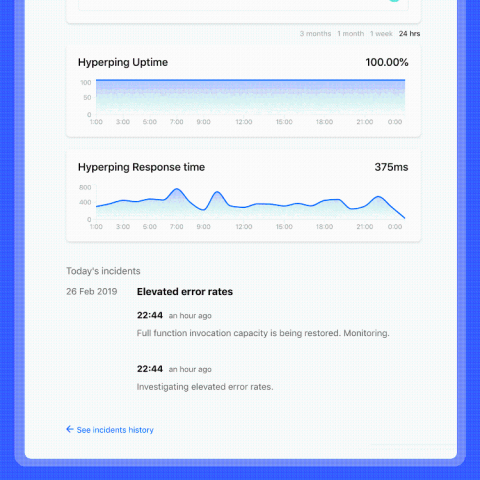
Did you ever have your customer success team (if you have the chance to have one!) overwhelmed by customers throught the support chat when facing minor incidents or even major outages, having to update all those worried customers in real time throught dozens of different channels as the engineering team finds out and resolves the issue? Support costs time, energy and money. What if all of your users could all connect to one single status page that would answer all of their questions?

Using Kubernetes Labels for Analytics, Forensics, and Diagnostics

Usually, when you hear us going on about labels here at Tigera, we are mentioning them as targets for selectors for network policies. As a review, you might have a policy that says, “things labeled customerDB=server should allow traffic on 6443 from things labeled customerDB=client” In this example, the labels identify a resource being produced or consumed.

BubbleUp Meets Tracing (and Other Odd-shaped Data)

A few weeks ago, BubbleUp came out of Beta. We’ve been getting fantastic user feedback on how BubbleUp helps users speed through the Core Analysis Loop and lets people find things they never could have found before. We’ve also been learning more about how BubbleUp works with Tracing, which unearthed some difficult issues. Today, we’re taking those head on.

We Tested Google Analytics vs Anodot - See Which Anomaly Detection Solution Won

A couple of months ago we released the all-new Anodot.com. Following the release, I explored our Google Analytics account to see what had happened post-launch. I have always been ambivalent about Google Analytics. On the one hand, the service has helped shape web analytics as we know it today and is used by nearly every website. Not to mention it’s free and rather easy to consume. On the other hand, GA is never a slam dunk.

Endpoint Security Analytics with Sumo Logic and Carbon Black

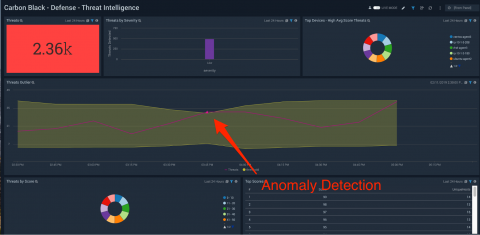
As the threat landscape continues to expand, having end-to-end visibility across your modern application stack and cloud infrastructures is crucial. Customers cannot afford to have blind spots in their environment and that includes data being ingested from third-party tools.

Introducing Datadog Synthetics

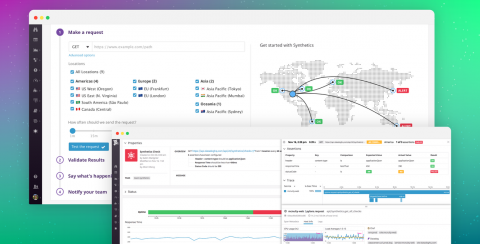
Datadog is pleased to announce the availability of Synthetics, a whole new layer of visibility on the Datadog platform. By monitoring your applications and API endpoints via simulated user requests, Synthetics helps you ensure uptime, identify regional issues, track application performance, and manage your SLAs and SLOs. By unifying Synthetics with your metrics, traces, and logs, Datadog allows you to observe how all your systems are performing as experienced by your users.