Operations | Monitoring | ITSM | DevOps | Cloud

Getting up and running with Calico Host Micro segmentation Protection on AWS

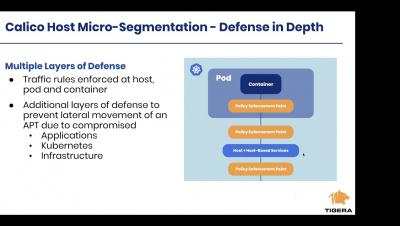
In this online training, we will explain how to install and configure Calico on a vm/host to apply network policy to resources outside your K8s cluster. The talk will be primarily a walkthrough and demo and you will receive all manifests and instructions to do the demo on your own after the session.

Ruby Garbage Collection: More Exciting than it Sounds

Running software uses computer memory for data structures and executable operations. How this memory is accessed and managed depends on the operating system and the programming language. Many modern programming languages manage memory for you, and Ruby is no different. Ruby manages memory usage using a garbage collector (also called gc). In this post, we’ll examine what you, a Ruby developer, need to know about Ruby’s gc. Use the links below to skip ahead in the tutorial.

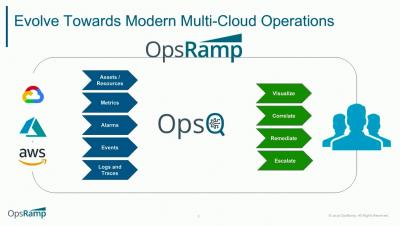
Cloud to Cloud, Easily Integrate Cloud Monitoring Tools in a Time of Remote Work

OpsRamp can ingest, process, and analyze events from third-party tools and automatically create new managed resources for alerts ingested from other monitoring tools. Automatic resource creation ensures rapid root cause analysis for third-party resources with relevant context. Application owners can also tag external resources to service maps so that they can drill-down and troubleshoot the supporting hybrid infrastructure for the associated business-critical service.

Using NGINX as a Queue for JSON Payloads

Request Metrics is a performance analytics tool. As such, we need to build a data ingestion pipeline that will consume performance data and process it. One common approach to ingest is to shove incoming data into a queue. We like simple things, and figuring out fancy distributed queues is anything but. So we're going to eschew best practices and use NGINX as our queue!

Top 3 Network Performance Monitoring Use Cases for SPs & MSPs | Obkio

You may have heard IT professionals go on about the importance of monitoring your network performance to help you pinpoint the cause of problems like dropped calls, slow downs, or connection losses within your infrastructure. The easiest way to get the point across is to understand the specific situations in which the solution will be used. Watch this 2-minute video to learn about the top 3 use cases for network performance monitoring, specifically for service providers (MSPs).