Operations | Monitoring | ITSM | DevOps | Cloud

Deep Learning Toolkit 3.1 - Examples for Prophet, Graphs, GPUs and DASK

In part 1 of this release blog series we introduced the latest version of the Deep Learning Toolkit 3.1 which enables you to connect to Kubernetes and OpenShift. On top of that a brand new “golden image” is available on docker hub to support even more interesting algorithms from the world of machine learning and deep learning! Over the past few months, our customers’ data scientists have asked for various new algorithms and use cases they wanted to tackle with DLTK.


Alerts to Incident Response in Three Easy Steps

You may already be using Splunk to ingest data and generate alerts and dashboards so you can take quick action on problems, but did you know you can quickly start a VictorOps trial and in three easy steps, have great Splunk alerts escalated to the right teams and people with a mobile app notification, SMS message or a live phone call?

Manufacturing in Crisis Mode: How Data Power Can Help

For those of you with some gray hair working in the manufacturing business, remember when order intake plunged suddenly by more than 40%? Remember when CFO and Controllers ruled the company, driving painful cost-cutting programs to counter double-digit business losses? It was the time of the Economic and Financial Crisis 2007/08, which forced manufacturing organizations to stare in the abyss.

Sponsored Post

The top web performance killers and how to prevent them

Loading speeds of websites will always be a tricky thing to manage. They depend on anything and everything between your user's choice of device and the server hardware your site runs on. There are many web performance killers that can be removed as you develop your web page. Removing as many of these barriers as possible is critical if you want your website to load smoothly and quickly for the majority of your users. Here are some suggestions for streamlining everything that is within your control to allow for the fastest possible load times for your users.

The role of infrastructure management in optimizing digital transformation

Digital transformation has now become a reality. It has moved a long way from being an option to a necessity, especially after the outbreak of COVID-19. While every department in an organization is being digitized, businesses reckon digital experience management as a key strategy in optimizing their transformation journey and also in creating a robust business model.

Calico and K8s Network Policies - An Overview and Comparison

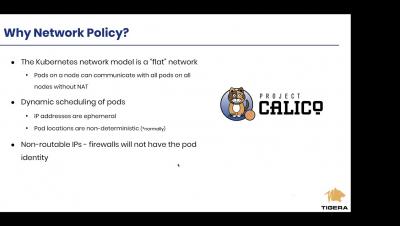
Kubernetes Network Policy is the native way to implement network security controls in Kubernetes. Calico Policy is a superset of Kubernetes Network Policy that adds additional capabilities that help meet common real-world use cases. In this talk, we will educate you on the basics of Kubernetes Network Policy, the differences with Calico Policy, example use cases, and demos. You’ll walk away from this session with knowledge that will help you decide which network policy is right for you.

How to Implement Network Policy in Amazon EKS to Secure Your Cluster

By default, pods are non-isolated; they accept traffic from any source. The Amazon EKS solution to this security concern is Network Policy that lets developers control network access to their services. Amazon EKS comes configured with Network Policy using Project Calico which can be used to secure your clusters. This class will describe a few use cases for network policy and a live demo implementing each use case.