Operations | Monitoring | ITSM | DevOps | Cloud

How important is network compliance for your remote work environment?

With a majority of the workforce now adopting a work-from-home routine, maintaining the normal functioning of your network and ensuring compliance with industry standards is not an easy job. When employees are working remotely, it is especially crucial to ensure network compliance with industry standards and internal policies to secure your network from cybersecurity breaches.

GrafanaCONline Day 2 recap: The future of worldPing and an industrial IoT use case of Grafana

GrafanaCONline is live! We hope you’re able to catch the great online sessions we have planned over the next couple of weeks. After Grafana creator Torkel Ödegaard, Grafana Labs CEO Raj Dutt, and VP of Product (and Cortex co-creator) Tom Wilkie kicked off the conference with a keynote discussing the future of Grafana and the upcoming Grafana 7.0 release, GrafanaCONline continued with a focus on Grafana’s global reach.

How to Trigger Alerts From Application Events

EventSources, the sister LogicModule to DataSources, are a useful framework for triggering event-based, contextual alerts from your applications and infrastructure. While DataSources poll your applications and infrastructure for time-series datapoints, EventSources poll (or listen) for interesting events from your log files, SNMP traps, syslogs, Windows Event Logs, and much more.

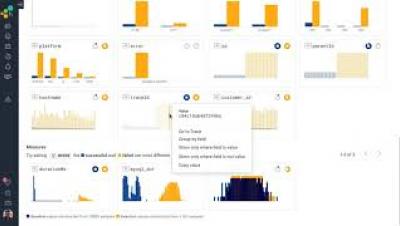
Elastic's Guide to Data Visualization in Kibana

Practitioners the field of data visualizations often talk about 2 types of visualizations: exploratory vs explanatory. To quote Google definitions, “Exploratory data visualizations (EDVs) are the type of visualizations you assemble when you do not have a clue about what information lies within your data. Nov 19, 2018” Explanatory visualization, by contrast, is defined as “what happens when you have something specific you want to show an audience” (Storytelling with data blog, April 2014)

GrafanaCONline: Prometheus: what the future holds

It’s been nearly 2.5 years since Prometheus 2.0 released and 2 years since Prometheus graduated in the CNCF. You might say that clearly proves that Prometheus has become mainstream. However, that doesn’t mean Prometheus would be “done” now. The developer community is more active than ever. Let’s have a look at the highlights of the past year and at the things on the roadmap. The speaker is one of the Prometheus developers and would also be delighted to hear from you what you want to see next in Prometheus.