Operations | Monitoring | ITSM | DevOps | Cloud

The latest News and Information on CyberSecurity for Applications, Services and Infrastructure, and related technologies.

What is Patch Management?

In today’s digital world, software vulnerabilities have become a widespread concern. Cybercriminals are always looking for ways to exploit these vulnerabilities, resulting in devastating security breaches. That’s where patch management comes in. In this article, we’ll discuss what patch management is, its importance, and best practices to implement it.

How Hackers Can Hack Your Phone & How To Prevent It

Smartphones have become almost a necessity in this digital era we live in. You can use your phone for banking, online shopping, entertainment, or communicating with your loved ones. Unfortunately, the convenience they provide us also creates a huge disadvantage. Like a treasure chest, our phones hold lots of valuable data and information about us. You will receive a massive blow if someone manages to hack your phone. Therefore, you must learn how to protect your phone from hackers.

The Evolution of Security: From Good to Better to Best

Security is a never-ending journey that evolves as you add new products and applications. There’s no such thing as being 100% secure because things constantly move and adjust within your network, emphasizing the need for organizations to stay ahead of possible threats capable of directly and indirectly affecting them.

Protect PII and add geolocation data: Monitoring legacy systems with Grafana

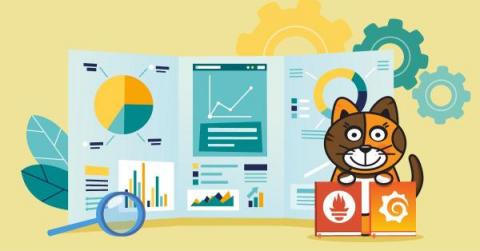
Legacy systems often present a challenge when you try to integrate them with modern monitoring tools, especially when they generate log files that contain personally identifiable information (PII) and IP addresses. Thankfully, Grafana Cloud, which is built to work with modern observability tools and data sources, makes it easy to monitor your legacy environments too.

The Importance of Observability Pipelines in Gaining Control over Observability and Security Data

Today’s enterprises must have the capability to cope with the growing volumes of observability data, including metrics, logs, and traces. This data is a critical asset for IT operations, site reliability engineers (SREs), and security teams that are responsible for maintaining the performance and protection of data and infrastructure. As systems become more complex, the ability to effectively manage and analyze observability data becomes increasingly important.

Data Shredding vs. Recycling: What's the Difference and Why Does it Matter?

In today's world, data is one of the most valuable assets a business can possess. However, with the rise of cyber threats and data breaches, it has become increasingly important for companies to properly dispose of their old data. This brings us to the two most common methods of data disposal: shredding and recycling. In this article, we will explore the differences between data shredding and recycling, and why it matters for your business.

6 Signs Your Company is Experiencing Data Breaches

Do you always stress about the confidential data your business owns? You have a valid reason to worry because data security risks are a growing concern and the stakes have never been higher. According to a recent report, the global cybercrime cost may reach $10.5 trillion by 2025. Businesses must be vigilant about potential data theft and take proactive measures to protect themselves.

Beyond Logging: The Power of Observability in Modern Systems

Observability has now become a key aspect of designing, building and maintaining modern systems. From logs to distributed tracing and from distributed locking to distributed tracing, observability as a function has gone beyond logging. With so many aspects to be taken care of, it thus becomes essential to have an observability toolchain which is comprehensive and comprehensive without making it complex. In this blog, we will explore the underlying motivations behind observability, the various tools available to enable it, and the various components of the same.