Technology anniversaries have become more commonplace in recent years. The iPhone at 10 years old, indeed Canonical itself turned 15 last year. Here though, we want to look at OpenStack reaching double figures this year. Starting off as a joint project between NASA and Rackspace in 2010, over 500 companies have now joined the OpenStack project in the past decade, which has spun off dozens of sub-projects.
Shipa, Corp., delivering a cloud native application management framework built to manage the full application lifecycle, today announced that it is open sourcing Ketch, Shipa’s deployment engine, under Apache License Version 2.0. This open source release is available on GitHub and follows the general availability launch of Shipa’s full application management framework in October.
AWS is announcing the AWS Distro for OpenTelemetry today. This is a distribution of OpenTelemetry, itself a CNCF sandbox project. This is part of a wider push towards Open Source, cloud native technologies, and modern observability, all based on Open Standards. This push can be observed across the whole technology sector, but with increasing velocity from within AWS. As they are the largest public cloud provider by far, this is noteworthy in and of itself.
Whether you write code to save the bees, build the latest CMS, or teach others to become a developer: we’ve got your back. We’ve always offered AppSignal for free to maintainers and do-gooders who asked, such as Elixir School, Code::Stats and the MEANS Database. Starting today, we want to spread the word to all open-source maintainers and volunteer organizations that AppSignal is 100% free for them.
Project owners and developers turn to open source APM tools to lessen the cost of application performance monitoring. In this entry, let’s examine the attributes of these open source tools. Years ago, traditional APM solutions were designed for IT only, particularly network operations. The APMs were used to monitor data to ensure the network’s Quality of Service(QoS). However, the landscape has changed.
Catchpoint has always embraced new technologies and ideas. We offer a powerful monitoring platform with advanced features such as tracking digital performance from across the globe, capturing analytical data and the ability to get notified across various channels. With all these inbuilt features in hand, Catchpoint encourages its customers to build new monitors and integration that consumes monitoring data that are tailored to specific use cases.
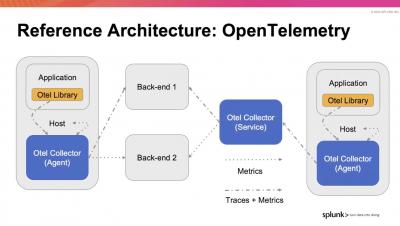
Editor’s note: This post is a collaboration between Tim Tully, Splunk CTO, and Spiros Xanthos, Splunk’s vice president of product management for observability and IT Ops and previously the founder and CEO of Omnition. My love for the open-source software movement began with Linux in the ’90s and grew during my time at Yahoo! in the early days of Hadoop.
Mattermost and Jitsi—open source, self-hosted alternatives to Slack and Zoom—now integrate! With the Mattermost Jitsi plugin, Mattermost users can now instantly launch secure Jitsi voice, video and screen-sharing calls, either on-prem with the self-hosted Jitsi software or via the cloud with Jitsi Meet.