Open source and cloud technologies for retail and e-commerce | Aiven Webinar
Alex Timlin (Senior VP, Emarsys) and Jan Hegewald (Director of Engineering, Zalando) talk about how retail companies can stay competitive in 2021 and beyond.


Logging solutions are a must-have for any company with software systems. They are necessary to monitor your software solution’s health, prevent issues before they happen, and troubleshoot existing problems. The market has many solutions which all focus on different aspects of the logging problem. These solutions include both open source and proprietary software and tools built into cloud provider platforms, and give a variety of different features to meet your specific needs.
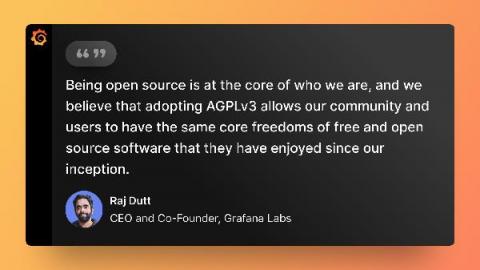
Open source is eating the world. Companies have realized and embraced that, and ever more companies today are built around a successful open source project. But there’s also a disturbing counter-movement: vendors relicensing popular open source projects to restrict usage. Last week it was Grafana Labs which announced relicensing Grafana, Loki and Tempo, its popular open source monitoring tools, from Apache2.0 to the more restrictive GNU AGPLv3 license.
I’m excited to see our vision for an open source path forward for Elasticsearch and Kibana taking shape with OpenSearch! Since Elastic announced its intent to close-source Elasticsearch and Kibana, we’ve been working in full gear to have an open source path forward for these projects. This is our commitment to our users, this is our commitment to the community. We’ve collaborated with AWS and others to fork Elasticsearch and Kibana and create OpenSearch.
When Grafana Labs CEO and co-founder Raj Dutt announced to the team that the company would be relicensing our core open source projects from Apache 2.0 to AGPLv3, he opened the floor for discussion and encouraged anyone who had further questions to reach out. We believe in honesty and transparency, so we collected hard questions from Grafanistas, and Raj answered them for this public Q&A. The time felt right. As I’ve said publicly before, I’ve been thinking about this topic for years.
Grafana Labs was founded in 2014 to build a sustainable business around the open source Grafana project, so that revenue from our commercial offerings could be re-invested in the technology and the community. Since then, we’ve expanded further in the open source world — creating Grafana Loki and Grafana Tempo and contributing heavily to projects such as Graphite, Prometheus, and Cortex — while building the Grafana Cloud and Grafana Enterprise Stack products for customers.