The latest News and Information on Observabilty for complex systems and related technologies.
A selection of questions and answers from our recent webinar on leveraging AIOps to run sustainable, blameless retrospectives.
Is GitOps changing observability as we know it? GitOps has been the buzz word in the DevOps space for several years. GitOps, to those that are not familiar, is an operational methodology for DevOps that leverages a continuous deployment approach with Git as the single source of ‘truth’ for declarative control over both infrastructure and applications.
After building Lightrun for the JVM – an easier way to get a better grasp on production applications written in Java, Scala, and Kotlin – we’re pleased to announce the release of Lightrun’s developer-native observability platform for Python!
Your feedback is what makes Honeycomb better. We ship changes often (you can see updates in real time on our changelog), so it can be easy to miss some of the new improvements that can help you get the most out of Honeycomb. Whether it’s a big new product feature or an enhancement of existing features, you may not always be up on the latest goodness waiting for you in Honeycomb.
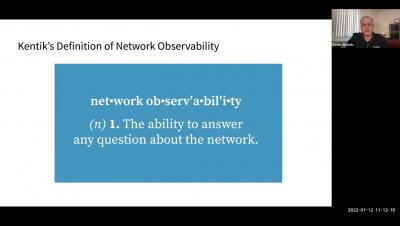
Observability is a hot term in the industry, but don’t let it fool you: having visibility into your organization's apps and services only gives you partial clarity into a system’s overall performance. To get a full understanding of your monitoring data, you need to apply contextual intelligence.
Do you also find yourself confused by all the Open-this and Open-that names flying around? There are currently a good few Open projects, standards, tools – OpenTelemetry, OpenTracing, OpenCensus, OpenSearch… heck, even my podcast is called OpenObservability! And new Open names seem to be popping up every other day. If you too feel this way, there’s no need. Many feel similarly confused.
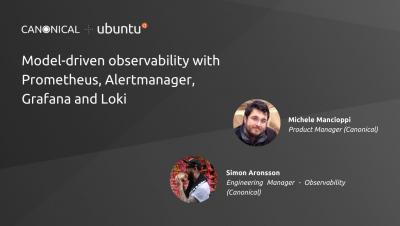
The end-to-end monitoring of complex software systems is difficult, toil-intensive and error-prone. Developers, SREs and Platform teams must continuously invest effort in setting up and maintaining the monitoring setups that underpin the observability of their systems, or accept the risk of being unaware of ongoing issues and their impact on end users. Enter model-driven observability powered by Juju!