Operations | Monitoring | ITSM | DevOps | Cloud

The latest News and Information on Observabilty for complex systems and related technologies.

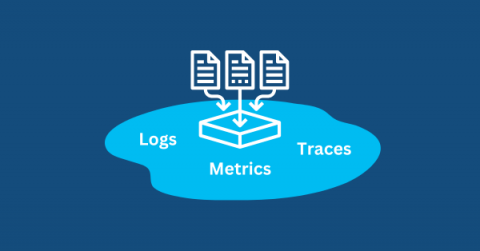
Observability: Working with Metrics, Logs and Traces

The concept of observability centers around collecting data from all parts of the system to provide a unified view of the software at large. Fault tolerance, no single point of failure and redundancy are prominent design principles in modern software systems. But that doesn’t mean errors, degradation, bugs or even the occasional catastrophe don’t happen.

Customer-Centric Observability: Experiences, Not Just Metrics

Martin and Jess recently conversed with Todd Gardner of RequestMetrics as part of the O11ycast podcast. We don’t normally write blogs based on these conversations, but there were impactful comments in that episode that bear repeating. You can listen to the full conversation if you wish. Let’s get into it!

Modernize Your SIEM Architecture

Join Ed Bailey from Cribl and John Alves from CyberOne Security as they discuss the struggles faced by many SIEM teams in managing their systems to control costs and extract optimal value from the platform. The prevalence of bad data or an overwhelming amount of data leads to various issues with detections and drives costs higher and higher. It is extremely common to witness a year-over-year cost increase of up to 35%, which is clearly unsustainable.

A Step-by-Step Guide to Standardizing Telemetry with the BindPlane Observability Pipeline

Adding additional attributes to your telemetry not only provides valuable context to your observability pipeline but also enhances the flexibility and precision of your data operations. Consider, for example, the need to route data from specific geographical locations, like the EU, to a designated destination. With a ‘Location’ attribute added to your logs, you can seamlessly achieve this.

Rollouts in BindPlane OP

Learn how easy it is to edit and roll out changes to your configurations, deploying in batches, while also being able to look back at the entire version history. About ObservIQ: observIQ is developing the unified telemetry platform: a fast, powerful and intuitive next-generation platform built for the modern observability team. Rooted in OpenTelemetry, our platform is designed to help teams reduce, simplify, and standardize their observability data.

Performance Ratings and Experience Scores for Meaningful Alerting and Rapid Observability

Administrators and IT management are increasingly leveraging simple quantifiable KPI indicators such as “Performance Ratings” to gain rapid overviews and track key outcomes. Modern IT architectures are designed and built to scale and be resilient. Systems are now usually built to handle failover and auto-scale up and down to handle varying demand and workloads with very different properties and needs.

What Is a Telemetry Pipeline?

In a simple deployment, an application will emit spans, metrics, and logs which will be sent to api.honeycomb.io and show up in charts. This works for small projects and organizations that do not control outbound access from their servers. If your organization has more components, network rules, or requires tail-based sampling, you’ll need to create a telemetry pipeline.

Why Your Observability Strategy Needs Security Observability

An observability strategy helps many businesses support the stability and performance of complex, distributed IT environments. Since you may already be tracking the three pillars of observability—metrics, logs, and traces—why shouldn’t you also use the endless stream of telemetry data to identify security risks and vulnerabilities, just as you use it to monitor and stabilize operations? Even the best-planned observability strategy is incomplete without the fourth pillar of security.

Best Bee-haviors: Revamping Feature Flags with Nathan Lincoln

Nathan Lincoln, an SRE at Honeycomb, walks through the basics of feature flag best practices (using LaunchDarkly) to help you maintain a stable system. Feature flags are useful for reducing outages and downtime in our systems by allowing traffic segmentation, but they can create chaos without proper maintenance.

5 Ways You Can Utilize Observability to Make Your Next Migration Easier

When people hear the word “migration,” they typically think about migrating from on-prem to the cloud. In reality, companies do migrations of varying types and sizes all the time. However, many teams delay making critical migrations or technical upgrades because they don’t have the proper tools and frameworks to de-risk the process.