Splunk for AIOps
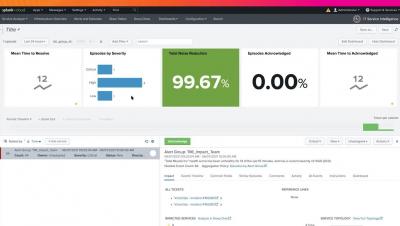
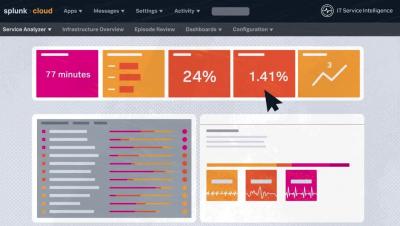
Learn how customers are using Splunk IT Service Intelligence (ITSI) for predictive alerting and KPI-driven service monitoring, to reduce unplanned downtime by 60% and alert noise by 95%.


The latest News and Information on Log Management, Log Analytics and related technologies.
We hosted a webinar a few weeks back on using Cribl LogStream to make your security operations more scalable, efficient, and cost-effective. The turnout was fantastic and, while we answered most of the audience’s questions live, we couldn’t get to all of them. So I’ll go through the questions we couldn’t get to and offer some answers. Along the way, I’ll also share the results of two polling questions we asked during the webinar.
Every business from large enterprises through to small startups needs some level of log management in their day to day operations. For large-scale enterprises, Splunk has quickly become one of the most popular log management solutions globally. Splunk was developed for enterprise-level log analysis and Security Incident and Event Management (SIEM). The tool can also be used by medium-size enterprises as long as your organisation generates large volumes of machine data and log files.
I’m Tim, a Product Design Manager at LogDNA. My team is responsible for creating a beautiful and easy-to-navigate user interface so that you can easily access, and gain value from, your logs. We’ve been working on making our product’s navigation more accessible and are rolling out a mixture of subtle and more noticeable changes.
Splunk customers are security conscious organizations demanding enterprise-grade features for their global workforce. Today, we are excited to announce several Splunk Synthetic Monitoring updates, including: support for Single Sign-On (SSO) via SAML 2.0, Concealed Global Variables, and an updated synthetic browser version (Chrome 97).
Enterprises are dealing with a deluge of observability data for both IT and security. Worldwide, data is increasing at a 23% CAGR, per IDC. In 5 years, organizations will be dealing with nearly three times the amount of data they have today. There is a fundamental tension between enterprise budgets, growing significantly less than 23% a year, and the staggering growth of data.
Many logging solutions are available on the market to deal with log data, each focusing on a different part of the logging issue including log aggregation. These solutions are open-source and proprietary software and tools incorporated into cloud provider platforms, as well as a variety of capabilities to fulfill your requirements. Grafana Loki is a new industry solution, so let's take a closer look at what it is, where it originated from, and whether it can suit your logging requirements.