Operations | Monitoring | ITSM | DevOps | Cloud

The latest News and Information on Log Management, Log Analytics and related technologies.

Introducing Elastic's OpenTelemetry Distribution for Node.js

We are delighted to announce the alpha release of the Elastic OpenTelemetry Distribution for Node.js. This distribution is a light wrapper around the OpenTelemetry Node.js SDK that makes it easier to get started using OpenTelemetry to observe your Node.js applications.

What's New With Mezmo: In-stream Alerting

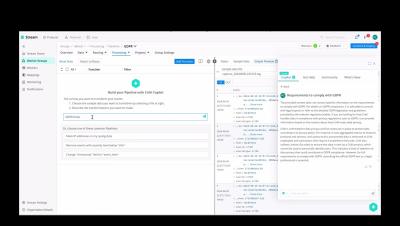
Here at Mezmo, we see the purpose of a telemetry pipeline is to help ingest, profile, transform, and route data to control costs and drive actionability. There are many ways to do that as we’ve previously discussed in our blogs, but today I’m going to talk about real-time alerting on data in motion, yes - on streaming data, before it reaches its destination.

Monitoring vs Observability

Before we start, I have a confession: I absolutely love Digg (people are still Digging things, right?) errr...Reddit. It actually is my front page to the internet, where I research upgrades for my home lab/VR/other niche hobbies, watch silly videos, ingest low-effort memes, judge if people are ‘AHs’ or not on /r/amitheasshole, and occasionally talk trash to other Redditors about my Michigan-based sports teams.

Kubectl Logs Tail | How to Tail Kubernetes Logs

The kubectl logs tail command is a tool that allows users to stream the logs of a pod in real-time while using Kubernetes. This command is particularly useful for debugging and monitoring applications, as it enables users to view log output as it is generated and quickly identify any issues or problems with their application. In this article, we will see how to use the kubectl logs tail command to stream logs, the benefits of using the command, and an advanced tool for streaming logs.

Scaling in the Cloud with Cribl's Universal Receiver

Scaling cloud services is a critical task for Site Reliability Engineers, and it’s a challenging one. As organizations grow, the amount of data and the number of users of it grow like crazy, pushing traditional data management methods to their limits. SREs not only have to keep everything running, they’ve got to make sure it runs smoothly, efficiently, and swiftly.

Deploying The ELK Stack on Kubernetes

The ELK (Elasticsearch, Logstash, and Kibana) stack’s main objective is to aggregate logs, but the vastly popular open-source project has numerous uses alongside aggregating logs. ELK can easily integrate with Kubernetes and is a common solution that enables users to gather, store, and examine Kubernetes telemetry data. However, with the continual rise of micro-service architecture, users are searching for an improved method of aggregating and searching through logs for debugging purposes.

Square Pegs, Round Holes: The Challenge of Integrating MELT Data into Traditional Data Warehouses

This is the first in a series of blog posts about the disconnect between modern IT and security teams and the vendors they’re forced to work with. If you’re looking for the second and third posts, you can find them here and here. Imagine this scenario: You’re grappling with the ever-escalating costs of your legacy solutions. What’s the logical next step? For many, it’s exploring the new wave of tools emerging, such as data warehouses.