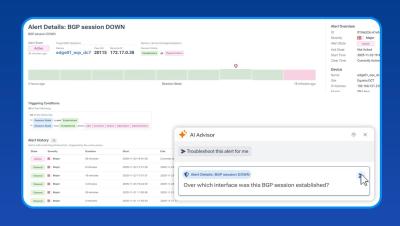
A BGP session goes down because a transit provider exceeded the maximum prefix limit. How do you find the root cause — fast? In this 10-minute demo, we walk through two approaches using Kentik AI Advisor. First, we troubleshoot step by step using natural language: asking AI Advisor to identify the affected interface, check for interface flapping, and review syslog messages until we find the maximum-prefix violation. Then we show how custom network context and natural language runbooks let AI Advisor do the entire investigation autonomously — following the same four steps a senior engineer would.
AI operates on the same systems and infrastructure as every application, which means if you want to keep it reliable, you have to keep the systems underneath it reliable. Gremlin CEO Kolton Andrus explains more in this clip from an AI reliability roundtable with @nobl9inc and @Pagerduty.
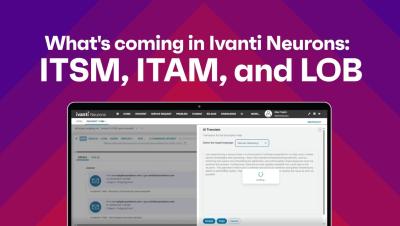
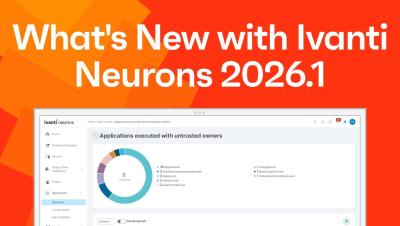
The 26.1 release introduces new features and improvements, focusing on user experience and AI capabilities. Key dates for pilot and general availability are highlighted, along with community feedback integration. A five by five matrix aids in risk management, while ITSM data enhances compliance understanding. The Gentech AI framework emphasizes conversational agents, and updates to the neuron software inventory API improve accuracy. Continuous modernization efforts aim to boost performance and scalability.
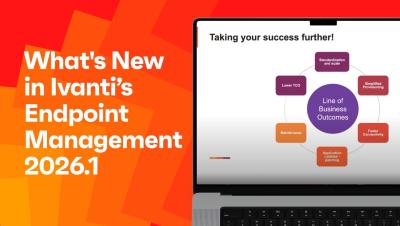
This Ivanti Neurons DEX session highlights updates, including support for operating systems, reporting enhancements, and new connectors like AWS S3. It also covers Microsoft Office 365 repair features, application healing, and improvements in Neurons for app control. Key points include new templates, PowerShell capabilities, and AI integration, all aimed at enhancing user experience and streamlining processes.
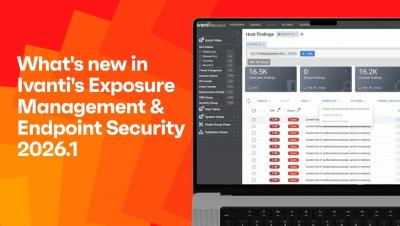
To view the schedule for upcoming meetings, Click here. New security controls are introduced, including a passphrase requirement for agent registration and a maintenance window feature. The application control module is removed, while Ivanti Patch for Configuration Manager sees minor enhancements. New features include Ubuntu support and automated remediation for non-compliant devices. Updates in workspace vulnerability management feature a new connector for Tenable Web App Security and improvements to existing connectors, along with workflow management enhancements.
Explore the latest updates in MDM and EPMM, highlighting improvements in admin experience, app management, and security. Key features include new data retention policies, user group management, and device attribute preservation. Enhancements for Vision OS and Email Plus integration with Teams are also discussed, along with ongoing improvements in iOS and Android management. The focus remains on customer feedback and future enhancements in device management.
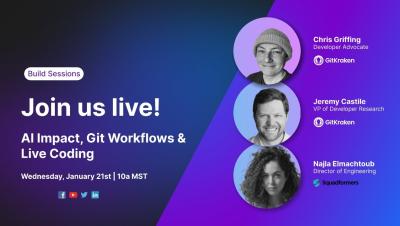
We're launching Build Sessions, a live series where developers and engineering leaders come together to elevate the craft of software delivery. Episode 1 brings GitKon's top-rated speakers, live product demos, and practical frameworks for measuring AI impact on your team.
How do your favorite apps update so quickly? One word: DevOps. JFrog Technical Engagment Manager, Ananya, explains that DevOps is the culture of getting Developer & Ops teams to work together with increased visibility across departments vs. in silos. Add some automation, and you get faster, safer software releases.
Normalizing security logs into the Open Cybersecurity Schema Framework (OCSF) is often complex, manual, and time-consuming. With Datadog Observability Pipelines, you can easily transform logs into OCSF format—right in your own environment—before routing them to destinations like Splunk, CrowdStrike, and AWS Security Lake. This video show how Security teams can use Observability Pipelines to: Collect, process, and transform logs into OCSF format automatically.