Operations | Monitoring | ITSM | DevOps | Cloud

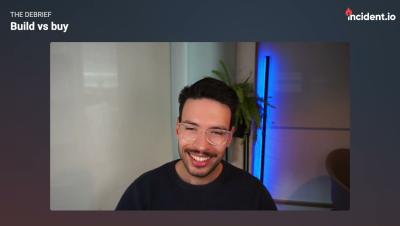
The Debrief: Build vs buy

Almost every organization around will eventually face an important crossroad: should I build the tooling I need, or buy it? But more often that not, the decision to buy is the most sensible one that'll save you the most time, effort, and even money. But there are some edge cases where building can be the right choice. In this chat with Isaac, product engineer at incident.io, we dive into this nuanced debate and explain why buying is your best bet...most of the time.

DORA for measuring developers? Beware!

Should you use DORA for measuring developers? Beware! It could lead to unhealthy behaviors that harm the team and organization. DORA metrics are meant to assess application or service-level health and stability, which cross-functional teams, not individual developers, are responsible for. Give Sleuth a try and see how we give teams actionable insights on how to improve, no-code automations to instantly ship improvements, and metrics to measure their impact — all in a way that both managers and developers love.

6 Things Critical to Cloud Optimization Programs

Enterprises face many challenges when FinOps programs turn to infrastructure optimization to find cloud savings. Cloud catalog complexity, reluctant engineers or even having the staff and time to make the many changes required can all slow down or impede progress and savings. In this 20-min session we will cover the 6 things leading large scale cloud users have learned are critical to cloud optimization programs.

Do these 5 things to get started with DORA

Do these 5 things to get started with DORA. If you're sold on the philosophy of DORA but don't know how to get started, follow our five tips: Give Sleuth a try and see how we give teams actionable insights on how to improve, no-code automations to instantly ship improvements, and metrics to measure their impact — all in a way that both managers and developers love.

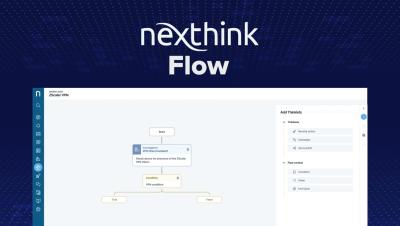
Introducing Nexthink Flow: IT Orchestration for Efficient IT

Go beyond automation and bridge the gap between monitoring and management. Real-time, AI-powered data combined with a powerful, low code orchestration engine that continuously optimizes complex workflows, monitors progress, handles exceptions, and ensures that all tasks are completed in the right sequence and with the right dependencies. By automating repetitive and manual tasks, EUC teams can optimize resource allocation, capitalize on opportunity costs, and enable EUC teams to shift-left and effortlessly maintain desired state.