Operations | Monitoring | ITSM | DevOps | Cloud

Elephant in the Room, Episode 2: Working with Feature Flags, Read Replicas, and Postgres Analytics

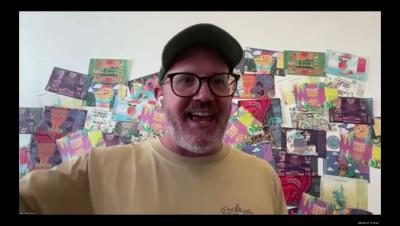
Welcome to Elephant in the Room – presented by Aiven, the live series where we explore the real-world challenges developers face when working with PostgreSQL, the database that everyone depends on but few fully leverage. In Episode 2, Jay Miller, Staff Product Advocate at Aiven, is joined by Alexis Roberson, Senior Developer Educator and feature flag enthusiast, to break down how feature flags help teams ship faster, reduce risk and improve user experiences in PostgreSQL-backed applications.

AI Merge Conflict Resolution + Commit Messages in GitKraken Desktop

AI-assisted merge conflict resolution is changing how developers handle Git workflows. Watch GitKraken Ambassador Kevin Bost demonstrate AI-powered features that eliminate merge conflict dread, clean up messy commit history, and generate contextual commit messages in seconds.

How to write annotations in Kubernetes with JSON for Datadog Autodiscovery | Datadog Tips & Tricks

Pod annotations in Kubernetes with invalid JSON syntax can prevent Datadog Autodiscovery from detecting integrations, resulting in missing metrics and gaps in monitoring. Watch this video for a step-by-step process to write annotations: Note: This video focuses on Datadog Autodiscovery v2 syntax.

The post-mortem problem

Post-mortems are required, time-consuming, and widely disliked — but they’re also one of the biggest opportunities to improve reliability. In this webinar, we talked about how to run post-mortems that actually lead to learning and improvement. This covered why most post-mortems fall flat, how to structure them effectively, and walk through a real example to show what good looks like in practice. The goal: fewer wasted hours, better outcomes, and post-mortems that actually matter.