Operations | Monitoring | ITSM | DevOps | Cloud

Introducing native support for OpenTelemetry in Jaeger

The latest Jaeger v1.35 release introduced the ability to receive OpenTelemetry trace data via the OpenTelemetry Protocol (OTLP), which all OpenTelemetry SDKs are required to support. This is a follow-up to the previous announcement to retire Jaeger’s “classic” client libraries. With this new capability, it is no longer necessary to use the Jaeger exporters with the OpenTelemetry SDKs, or to run the OpenTelemetry Collector in front of the Jaeger backend.
The Ultimate UX Project Checklist

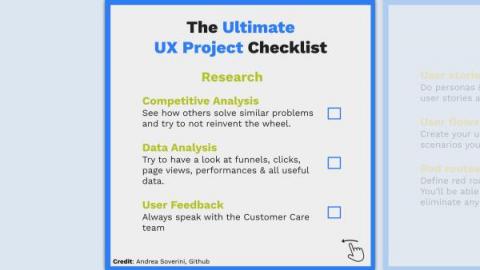
If you’re part of a design team, chances are that you have at times experienced slow-paced product development coupled with a long dev backlog (with limited space for additional tickets from the UX team). But to optimize how the product team (whether PO, UI, UX, or frontend devs) work together, it helps to experiment with useful tools, physical boards, and new processes. For example, here is an exhaustive yet simple UX project checklist.

16 Product Roadmap Templates for Executives

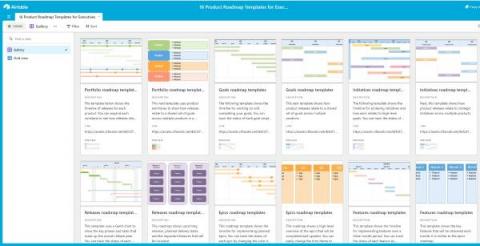
Product roadmap templates make it easy to structure and communicate your product plans. But when considering which template to go with, it is important to think about who the roadmap is for, what you want to communicate, and what information you want to include. So, I put together a list of 16 downloadable Excel and PowerPoint templates that you can tailor to your specific roadmap needs, including.

How to Troubleshoot Routing Problems

Routing problems tend to emerge when you’re first setting up a new piece of network equipment, and when something has failed. Usually, routing problems are caused by some sort of configuration or design error. Troubleshooting routing problems is tricky because the usual tools like ping and traceroute don’t always tell you what you need to know.

How to Ensure Your Project Planning is Successful

Being at the helm of a project is both exciting and scary! If you jump straight into it without a good plan you run the risk of your voyage ending in a shipwreck. You don’t want that, nobody wants that to happen. The best solution for this is what is called a project plan. Yes, as a project manager, it sounds tempting to just go with the flow and wing it, but the dangers of not sticking to a project plan are many.

The Challenges of Building Multi Cloud

Multi cloud has long been a contentious topic when you talk about cloud infrastructure. Infrastructure as code tools such as Terraform and Pulumi have made deploying to any cloud much easier - you can now use a single interface to deploy infrastructure to virtually any cloud environment. However, the effort of creating infrastructure for each cloud provider still requires significant expertise and time to get right, leading many to see it as a effort not worth taking.

Getting The Most Out Of Docker

Docker is the industry leader in the world of containerization. While the concept of containers is not new, still, it was not easy to create new containers. The underlying operating system complexities of creating a container were very challenging. Docker changed that and made things easier by handling the complexities mentioned above to launch a container. It's now super easy for developers to build, manage, scale and deploy their applications securely using Docker.

CI/CD Pipelines for Kubernetes: Best Practices and Tools

Kubernetes is today’s leading container management platform, due to its comprehensive API and developer-friendly features. Using Kubernetes, you can create scalable and reliable applications that run on-premises systems and public clouds. Its out-of-the-box features allow it to distribute hundreds of instances over data centers and keep them up and running. In order to catch up with the automation level of Kubernetes, developing and deploying applications requires more autonomy.

Automated Developer-First Security: Our Partnership with Snyk

Today’s developers move at increasingly rapid speed – making it more critical than ever to identify and resolve code vulnerabilities early in the software development lifecycle. By tackling security early – instead of waiting until testing and deployment – engineering teams can reduce unnecessary patching and maintenance cycles, reduce risks, and ensure timely delivery of new features.

Sponsored Post

Simplifying SLO and Error Budget tracking for SRE teams

Service level objectives (SLOs), and the subsequent service level indicators (SLIs) are the foundation to establishing a strong SRE culture and how they promote accountability, trust and timely innovation. We are on a mission to simplify SLO and Error Budget tracking and with that aim in mind, we have added the SLO Tracker feature to the Squadcast platform. SLO Tracker seeks to provide a simple and effective way to keep track of your error budget burn rate without the hassle of configuring and aggregating multiple data sources.