Operations | Monitoring | ITSM | DevOps | Cloud

How To Present ROI On Cloud Computing To The C-Suite

When each quarter’s financial report lands on the desks of a company’s C-Suite executives, those execs are essentially looking at a black box of spending and revenue. They can see the total numbers and the growth or shrinkage of certain categories, but they ultimately have very little context into why each number is as high or low as it is. Without this context, it’s all too easy to feel sticker shock over a seemingly outrageous cloud bill and demand that costs be cut at once.

5 Ways Consultants Can Improve Operational Efficiency

Some industries operate like clockwork. The process is so well-oiled that the participants can predict how many hours will be spent by which person, on a project and even the timing of when a task operator will complete something. But for others, efficiency is elusive. There are dozens of different points of intervention that can lead to production delays and subsequent loss in productivity.

5 Benefits of Operations Management Software For Insurance Companies

Operations management software is a must-have for insurance companies. From managing policies and processing claims to storing customer data and analyzing trends, insurance companies use operations management software to centralize a full range of processes. This article will explore the benefits of operations management software for insurance companies. ‍ StartingPoint has become a go-to platform for insurance companies looking to streamline their processes and embrace workflow automation.

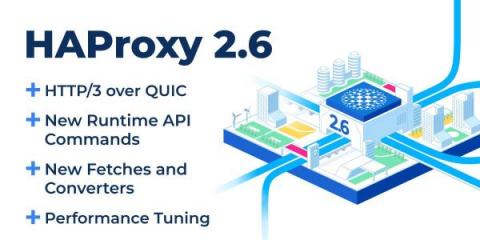
Announcing HAProxy 2.6

HAProxy 2.6 is now available! As always, the community behind HAProxy made it possible to bring the enhancements in this release. Whether developing new functionality, fixing issues, writing documentation, QA testing, hosting CI environments, or submitting bug reports, members of our community continue to drive the project forward. If you’d like to join the effort, you can find us on GitHub, Slack, Discourse, and the HAProxy mailing list.

Become a Telegraf Pro with a New Course from InfluxDB University

Telegraf, InfluxData’s open source data collection agent, is a key tool for managing data pipelines. Users around the world rely on Telegraf’s flexibility to collect, clean, transform, and send data. But even with Telegraf’s immense popularity, we continue to look for ways to make it even easier to use. That’s why, when we launched InfluxDB University, we knew that Telegraf would be a key ingredient.

Survey: Are You Using an Observability Solution, Implementing One, Actively Planning for it or Thinking About it?

Whether you’ve just started your observability journey or haven’t started one at all, Techstrong Research is here to help the industry gain insights into observability with their “Observability at the Speed of Innovation 2022” survey, sponsored by StackState. Techstrong Research, an industry analyst and consulting group focused on the business outcomes of disruptive technologies, is researching where organizations are in their observability journey.

5 Important Tools for an IT Asset Management (ITAM) Process

The number of IT assets organizations possess is growing rapidly, but managing this growth doesn’t have to be complicated. Efficient IT asset management comes down to having a process and plan in place to quickly and consistently track all assets. With this in place, you can improve the speed and delivery of IT services across organizations.

Shipa Product Updates - May 2022

We have been busy at work in May creating new features and squashing bugs to delight those who use or have not yet started using Kubernetes. Finally, you can start finding Shipa back at in-person events, we just returned from Southern California at JFrog swampUP. We had many great conversations about what we have been working on, especially announcing the general availability of Shipa Insights, today!

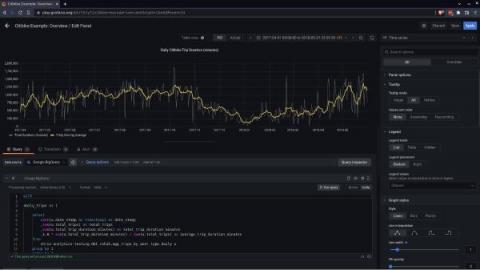
Grafana for business intelligence: How Grafana Labs uses dashboards for more than observability data

Having joined Grafana Labs as one of our first data & analytics hires, I spent much of my time in the first few months considering how we should structure our data stack to optimize for a quick path to value, while allowing our small data team to scale going forward.