Operations | Monitoring | ITSM | DevOps | Cloud

CLI Stands For.... A CLI Intro Series - Part 1

Intro to the CLI – Part 1: Why Learn to Use The Terminal and Some History Long-time fans of GitKraken Client have come to love the graphical user interface, or GUI, that allows you to click on a Git branch or commit to perform an action or even drag and drop a branch to start a pull request. Version 8.0 of GitKraken Client introduced the GitKraken CLI, allowing you to interact with your repositories, and the rest of your computer, from Terminal Tabs.
A collection of 24 great 404 http error pages

The 404 error is one of the most common web errors experienced by users. There are a number of different reasons that the server might not be able to find the resources requested by the user. For example, if a link on your site points to a non-existent page, a 404 error will be generated by the server. Here is a collection of 24 great 404 pages for your inspiration.

What is Uptime Monitoring and Why You Need It for Your Website

Your website is the lifeblood of your business. It’s how you connect with your customers and market your product or service. You want to know that it’s running smoothly at all times, but that may not always be the case. Sites go down due to many different events such as DDoS attacks, hardware failures, and human error. Luckily, there are ways to monitor your site for downtime and take precautions before it reaches critical status.

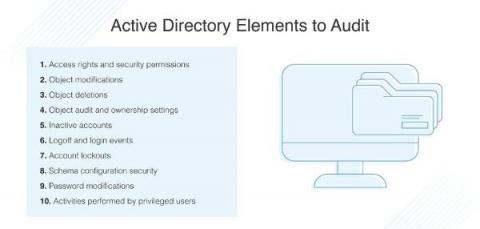
Active Directory Auditing Best Practices

Active Directory (AD) is a foundational element of any Microsoft Windows environment because of the part it plays in authentication, access management, account management, and authorization. To ensure the health and efficiency of your Active Directory, it’s crucial for you to engage in proper Active Directory auditing and reporting best practices. This article will detail essential Active Directory auditing best practices and provide recommendations for the best Active Directory auditing tools.

Getting Started with Google Cloud Logging Python v3.0.0

We’re excited to announce the release of a major update to the Google Cloud Python logging library. v3.0.0 makes it even easier for Python developers to send and read logs from Google Cloud, providing real-time insights into what is happening in your application. If you’re a Python developer working with Google Cloud, now is a great time to try out Cloud Logging! If you're unfamiliar with the `google-cloud-logging` library, getting started is simple.

The 3 Most Common Questions We Get About Cloud Cost Intelligence

As cloud use has increased, so have the costs associated with it. In 2020, surveyed organizations reported being over budget for their cloud spend by an average of 23%. Most are spending more than they expected, and to top it off — they don’t feel they’re getting value from that spend.

Kubernetes Monitoring: A Beginner's Guide

Kubernetes monitoring involves tracking application performance and resource utilization across cluster components, such as pods, containers, and services. The goal is to gain visibility into the health and security of your clusters. Kubernetes provides built-in features for monitoring, including the resource metrics pipeline that tracks several metrics like node CPU and memory usage and a full metrics pipeline.

Is AIOps NoOps? No, But It's the Closest We'll Come

Making IT operations simpler – which AIOps does by helping teams to make smarter, more informed decisions about complex monitoring and APM problems – is great. But what would be even greater is eliminating the need for IT teams to make decisions at all – a prospect known as NoOps. By automating application management to the point that human involvement is no longer necessary, NoOps offers tantalizing possibilities for the IT operations teams of the future.

How to Configure the Opentelemetry Collector to Begin Collecting Metrics

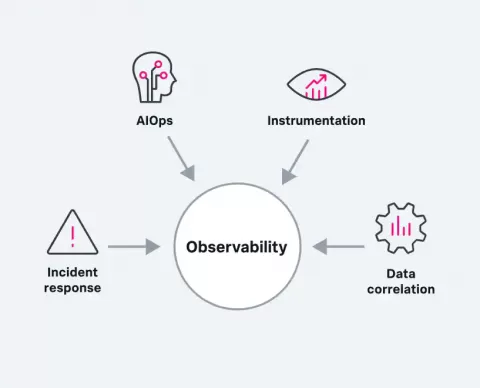
OpenTelemetry enables Observability, and building observable systems requires you to understand the various ways in which they can fail. Jumping from one possible fix to another and one change to another without fully recognizing the impact on the system can be a significant hindrance to a successful customer experience. In this post, I’ll explain how to get started with OpenTelemetry to help you make your systems more observable.