Operations | Monitoring | ITSM | DevOps | Cloud

A Complete Guide to Threat Hunting: Tools and Techniques

Today, threat hunting has emerged as a proactive defense strategy. No longer is it sufficient to rely solely on reactive measures; identifying and mitigating potential threats before they cause damage is now the name of the game. And the key to effective threat hunting? The right tools. This blog takes you through all about threat-hunting, the right tools, their capabilities, and why they’re indispensable in cybersecurity.

How to Use the Laravel Scheduler for Task Management

We all know time is precious, especially when your application relies on tasks that need to be done repeatedly. The Laravel Scheduler is the tool that helps you automate and manage those tasks effortlessly. But how does it work, and what makes it so powerful? Don’t worry, we’ve got you covered! In this guide, we’ll walk you through everything you need to know to get started.

How Does InfluxDB 3 Query Data in Real-Time?

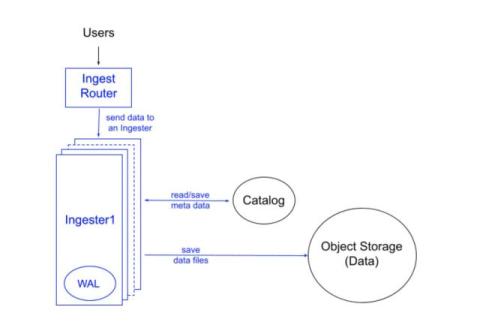
InfluxDB 3 builds on open-source technologies—Flight, DataFusion, Arrow, and Parquet—but even if a developer made their own time series database using the same technologies, they would not be able to replicate InfluxDB 3. The FDAP stack provides many of the building blocks required for a high-performance database, such as the fast, multi-threaded, streaming, columnar execution engine that defines InfluxDB 3.

Long-Term Data Storage and Retention in Netdata

Netdata’s database engine (dbengine) provides a sophisticated multi-tiered storage system designed for efficient long-term data retention while maintaining high granularity. This article explores the technical details of how Netdata handles metric storage, the advantages of its distributed architecture, and how to configure it for your specific needs.

What is DDI? Meaning, Features & Benefits

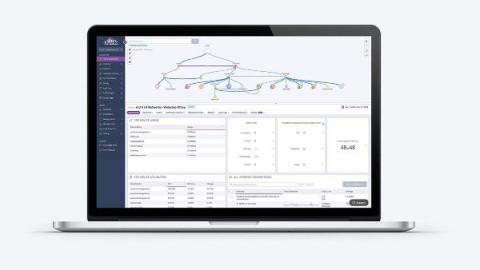
As a network administrator, having full visibility and control over your network infrastructure is critical. However, managing core network services like DNS, DHCP, and IP addresses can become complex, especially as your network grows. This is where DDI comes in. DDI (DNS, DHCP, IP Address Management) solutions integrate these essential networking functions into a single, centralized management platform.

IT Inventory Management

You can’t monitor, protect, or fix what you don’t know. That simple concept helps explain why IT inventory management is the cornerstone of effective IT and security ops. However, given the highly distributed and dynamic nature of modern networks, maintaining an up-to-date inventory can be challenging. Modern IT assets are everywhere, from corporate data centers to third-party clouds to coffee shops where remote workers stop for a snack.

Demystifying the OpenTelemetry Operator: Observing Kubernetes applications without writing code

The promise of observing your application without writing code (i.e., auto-instrumentation) is not new, and it’s extremely compelling: run a single command in your cluster and suddenly application telemetry starts arriving at your observability backend. What else could you ask for? The OpenTelemetry Operator aims to fulfill such a dream for Kubernetes environments by using a set of well known patterns such as operators and custom resources.

Keys to Success: Three AIOps Best Practices

When IT operations run smoothly, it’s more likely everything else in the organization will as well. Unfortunately, tech sprawl can make IT environments more prone to issues that hinder end users or, worse, customers. Recent research shows that up to 50% of organizations juggle multiple tools for observability. Too many disparate tools to monitor too many systems and applications create siloes, slowing incident response and resolution times.

Sentry's Pinia Integration for Vue and Nuxt Error Tracking

When debugging issues in production, context is everything. While Sentry already provides rich error data like stack traces, breadcrumbs, and user information, understanding the application state at the time of an error can still help reproduce, fix and ship quickly. Sentry’s Pinia integration solves this by automatically capturing Pinia state wherever errors occur. Now you get the complete picture of your Vue or Nuxt application's state at the moment things went wrong.