Operations | Monitoring | ITSM | DevOps | Cloud

Can nuclear energy solve AI's growing energy crisis?

Big tech companies are betting big on nuclear energy to keep their data centers running. With AI driving up energy use worldwide, it makes you wonder—could nuclear energy be the key to tackling the climate crisis caused by AI? Companies like Google and Microsoft have set ambitious sustainability goals by promising to move to 100% renewable energy before 2030. However, generative AI has made their goals difficult by increasing their electricity consumption multifold.
Netdata vs Prometheus: A 2025 Performance Analysis

When it comes to infrastructure monitoring, performance, scalability, and efficiency are critical considerations. In this blog post, we revisit two widely adopted open-source monitoring solutions: Netdata and Prometheus. Both tools have introduced notable improvements in their latest versions, emphasizing scalability and enhanced efficiency.

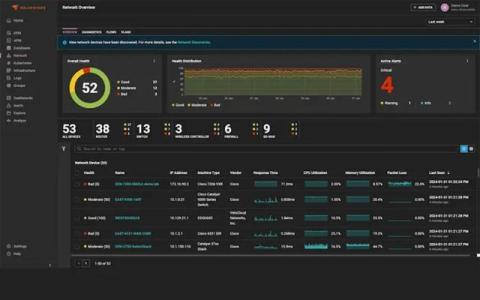
Four tips for configuring alerts in Site24x7 network monitoring

Configuring alerts effectively can be the difference between a frictionless IT environment and hours of downtime. Many enterprises struggle with alert fatigue, missed critical incidents, or poorly defined thresholds that leave them scrambling to identify root causes. How can you make sure your team gets the right information at the right time without being overwhelmed?

What Is Cloud Monitoring? A Guide Through the Best Tools

As more businesses embrace digital transformation, cloud computing is becoming more relevant each day. Cloud technology provides the flexibility, scalability, and agility modern organizations need to stay competitive, transforming everything from daily operations to customer experiences. However, as companies expand their use of the cloud, managing these complex environments is proving to be a real challenge. What is cloud monitoring?

Designing for Scale: How eG Enterprise Manages Millions of Metrics with AIOps-driven Self-Monitoring

Customers evaluate a modern observability and monitoring solution by the ROI they get, self-monitoring capabilities ultimately improve scalability and quality. The value of any observability solution lies in its ability to proactively detect and alert customers to issues before they cause a business-impacting outage. IT infrastructures and applications can fail in many different ways.

Coroot v1.7: Monitoring ClickHouse and Zookeeper with eBPF

At Coroot, we started using eBPF to give users insights into their system performance without needing them to change code or redeploy services. This approach not only makes setup easier but also ensures full visibility, even for third-party and legacy services. To truly achieve this, though, the tool needs to support a wide range of application protocols. Coroot has long supported popular ones like HTTP, gRPC, Postgres, MySQL, Redis, Memcached, MongoDB, Kafka, and Cassandra.

OpenTelemetry Profiling: A Look into Performance Insights

In software development, making sure your apps perform well is key. Performance issues, hidden delays, and wasted resources can quickly hurt user experience and increase costs. That’s where OpenTelemetry profiling steps in to help. In this blog, we’ll break down what OpenTelemetry profiling is, why it’s important, and how you can use it to optimize your applications.

Configuring a React Application with Honeycomb For Frontend Observability

Are you trying to wire your React application to Honeycomb, but running into some challenges understanding how our instrumentation works with React? In this article, I’ll lay out approaches for wiring Honeycomb to client-side only React so you can ingest your telemetry into Honeycomb and take advantage of the Web Launchpad. This telemetry sends semantically-named attributes, and can be used with any OTLP destination. These examples use a React application created with Vite.