It’s time we had a real conversation about why UX designers everywhere are still unhappy, why that elusive “seat at the table” feels so impossibly out of reach to so many (even at companies that embrace design), and how this impacts your business Design is facing down an epidemic of designers who feel burned out, taken for granted, marginalized, and disrespected. Yes, there is something different about our experience compared to other disciplines.
In the old days, it took a bunch of help desk tickets for an engineer to realize there was something wrong with the network. At that time, troubleshooting meant logging into network devices one-by-one to pore over logs. In the late 80s, SNMP was introduced giving engineers a way to manage network devices remotely. It quickly became a way to also collect and manage information about devices. That was a big step forward, and it marked the beginning of network visibility as we know it today.
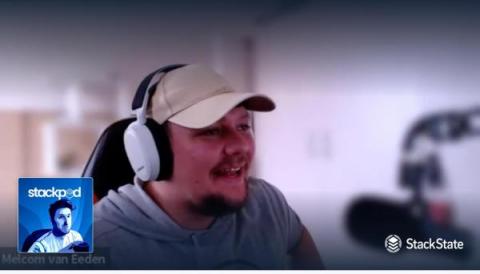
OpenTelemetry has been getting a lot of attention in the observability field. Moreover, in StackState’s latest release, we added support for OpenTelemetry traces. Melcom van Eeden, software developer at StackState, was one of our developer champions who made this possible. In addition to joining us on this episode of StackPod, he wrote a blog post on how to leverage OpenTelemetry with StackState and he recorded a tutorial video about the topic.
We hear a lot of questions from folks taking their first steps into website monitoring about how the service works and what we offer. One of the more frequently asked questions is why they need us at all. After all, they have metrics from XYZ provider who can tell them if they have consumed too much bandwidth or are overloaded with traffic. Wouldn’t they just know that they were up or down by watching those metrics?
DevOps: Development and Operations joined together in perfect harmony, one feeding the other and vice-versa. That's the dream. But it's easy for the link between the two to be broken. 'Dev' stops talking to 'Ops,' or Ops falls out with Dev, often because of a lack of understanding of each other's goals. That's where Monitoring and Observability come in. They're like the mediators whose job is to make sure the two main players in DevOps keep that metaphorical dialogue open.
With the Kafka Summit fast approaching, I thought it was time to get my hands dirty and see what it’s all about. As an advocate for IoT, I heard about Kafka but was too embedded in protocols like MQTT to investigate further. For the uninitiated (like me) both protocols seem extremely similar if not almost competing. However, I have learned this is far from the case and actually, in many cases, they complement one another.