Operations | Monitoring | ITSM | DevOps | Cloud

Application Performance Monitoring vs Application Performance Observability

You’ve likely heard the term Observability lately. There’s a fundamental change taking place in the Monitoring space, and Observability is behind it. Observability itself is a broad topic, so in this post we’ll talk about what it means to move from Application Performance Monitoring to Application Performance Observability.

What Does Observability Mean For You?

The late 1990s were a crazy time in the technology industry. Apple converted a blueberry into a computer, Google still had a “new search engine” smell, and while Y2K loomed over our heads Napster was showing everyone how bad Metallica’s music sounded. Meanwhile, in a garage in Tulsa, Oklahoma, brothers Donald and David Yonce launched a network monitoring software company and named it SolarWinds.

OnCallogy Sessions

Being on call is challenging. It’s signing up to be operating complex services in a totally interruptible manner, at all hours of the day or night, with limited context. It’s therefore critical to have proper on-call on-boarding procedures, offer continuous training sessions, and continuously improve documentation. We also need to make sure people feel safe by providing ways to reduce their stress, and make room for questions to surface all sorts of uncertainties around our operations.

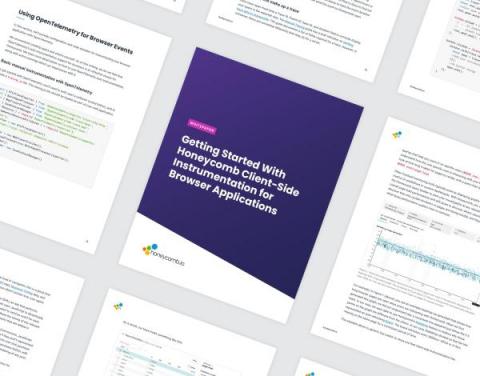
New Honeycomb Whitepaper on Frontend Observability

Big news: I can finally stop pointing anyone who asks about Honeycomb’s story for frontend observability to Emily’s blog post from 2017 on “Instrumenting Page Loads with Honeycomb.” (It was a great post, don’t get me wrong, but I don’t think any of us knew it would bear such weight for so long.) I am ecstatic to announce that we have released a new whitepaper called “Getting Started With Honeycomb Client-Side Instrumentation for Browser Applications,” wri

Top 5 Takeaways From GDC 2022

The Game Developers Conference (GDC) is a yearly event that brings together leading brands in the gaming industry to talk about trends in development and showcase new features and releases. One of the cool things about the conference is that it’s an excellent opportunity for gaming enthusiasts, aspiring game developers, and industry vendors to connect, network, learn and celebrate the achievements of the industry.

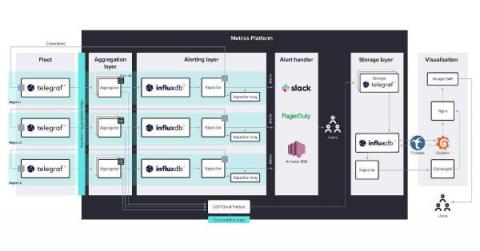
WP Engine Uses InfluxDB to Power Observability on a Global Scale

The WP Engine platform provides brands the solutions they need to create remarkable sites and apps on WordPress that drive their business forward faster. It hosts over 1.5 million websites, serving over 175,000 customers in more than 150 different countries, and processes 5.2 billion requests per day. In total, WP Engine’s footprint comprises about 8 percent of the entire web.

Ask Miss O11y: Pls ELI5 TLAs like PRO, SRE, and SLOs!

Dear Acronymically, I'll try to answer without using a single (new) acronym! First things first—"PRO" refers to our Pro plan, rather than being an acronym in and of itself. Honeycomb Pro is our cost-effective offering for professionals like you who are running a few production workloads! And we're hoping that folks will get even more benefit now that they have access to our SLO feature!

Observability for State and Local Government: Top 3 Challenges and How Monitoring Can Help

State and local governments require a high level of performance and reliability for the millions of people accessing their web applications every day. The talent shortage and lack of resources to train their staff on how to use new technologies prevents them from drawing valuable insights from modern IT environments. IT infrastructure monitoring allows state and local governments to stay ahead of technology trends and face common challenges with intelligence and transparency.

Who Owns Observability In Enterprises?

It’s common sense. When a logstorm hits, you don’t want to be left scrambling to find the one engineer from each team in your organization that actually understands the logging system – then spending even more time mapping the logging format of each team with the formats of every other team, all before you can begin to respond to the incident at hand. It’s a model that simply won’t scale.