Operations | Monitoring | ITSM | DevOps | Cloud

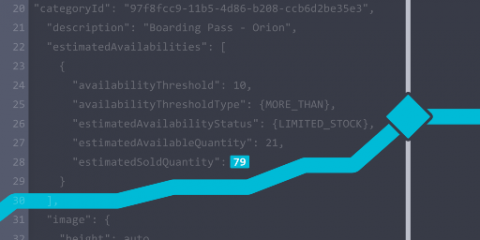
Client-Side Logging with LogDNA

Logging is an essential part of application development, monitoring, and debugging. There are countless libraries, frameworks, and services for logging backend and server-based applications. But for client-side applications, especially JavaScript-based web applications, it’s a different story. As we see increasingly complex code running on end user devices, the need to log these applications is also becoming increasingly important.

Grafana Labs at KubeCon: The Latest on Cortex

Grafana Labs has been running Cortex for more than a year to power Hosted Prometheus in Grafana Cloud. We’re super happy: It’s been incredibly stable and has recently gotten insanely fast. Here’s what you need to know about Cortex, what we’ve been doing to Cortex in the past year, and what we plan on doing in the coming months.

Introducing Rio - Containers at Their Best

Today I’m excited to announce a new Rancher Labs project called Rio. Rio is a MicroPaaS that can be layered on any standard Kubernetes cluster. Consisting of a few Kubernetes custom resources and a CLI to enhance the user experience, users can easily deploy services to Kubernetes and automatically get continuous delivery, DNS, HTTPS, routing, monitoring, autoscaling, canary deployments, git-triggered builds, and much more.

14 Alternatives to Pingdom for Checking Your Website's Health

Now that Pingdom has permanently closed its doors to free users, many customers are searching for alternatives to stand in the gap for their web monitoring needs. Web monitoring keeps you from losing potential business because of site or service downtime. David Sanchez of Mammoth Web Solutions says: “You have to continuously monitor your domain, because every new integration can affect domain performance.

Auvik Use Case: Gain Visibility Into the Internet of Things

There seems to be a smart version of everything these days. From coffee machines to aquarium thermometers, if you can think of a device that can benefit from an internet connection, it probably already exists. It’s not really a surprise. The IoT market is on the brink of explosion, as Intel projects 200 billion IoT devices will be added to our networks by 2020, up from 15 billion in 2015. And they’re not all for personal use.