Operations | Monitoring | ITSM | DevOps | Cloud

From Metrics to Valuable Insights: Incident Post-Mortem Reports

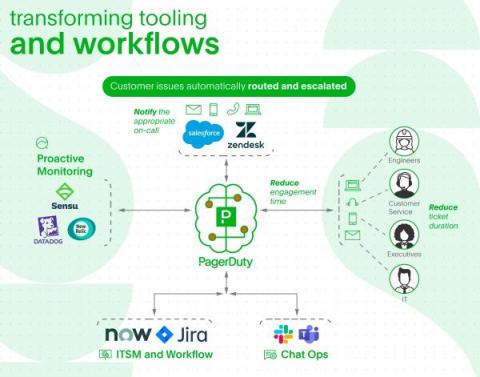
IT organizations, such as managed service providers (MSPs), deploy incident alerting and on-call management solutions to accelerate software delivery and ensure seamless customer experiences. Incident alert management platforms orchestrate the distribution of alerts to ensure that technicians continue to maintain system uptime and minimize service disruptions.

Shipa Cloud with Your Minikube Cluster

Embracing any new technology stack can certainly be a journey. No matter if this is your first time using Kubernetes or you have been on the Google Borg Team, getting up and started with Shipa Cloud is a breeze. You can bring your own Kubernetes Cluster and sign up for a Shipa Cloud account and you are well on your way to Application as Code excellence. Leveraging minikube is a free way to take a look at Shipa Cloud.

Troubleshooting Outages at 3 AM with Alert Response

Imagine you are an on-call engineer, who receives an alert at 3 AM in the morning informing you that customers are experiencing high latency on your website, and are unable to shop. Being an Incident response coordinator myself at Sumo Logic, I can tell you, I don’t envy being that engineer. If this alert fired, this is what would likely follow: The biggest challenge is how to gather this information quickly, so you can decide whether to jump out of the bed or go back to sleep.

Strategies to Secure a Digital Workplace

Digital workplace solutions have played a huge role in streamlining the shift to remote work. It has improved the employee experience and organizational productivity and made work-from-home almost as smooth as in-office work. While it has certainly made work life easier for both employees and managers alike, from a cybersecurity standpoint, having a single integrated interface with all the data from the organization in one place leaves the company vulnerable.

Delivering a seamless customer experience and high-level services

The digital economy is placing new demands on businesses of all sizes for smarter services and the capability to work from anywhere. When we at Sify Technologies in India see a challenge like this, we say, “Bring it on,” and this is how we break down the barriers to innovation. Sify is India’s most comprehensive information and communications technology (ICT) solutions and services provider.

Achieving PCI DSS Compliance in the Cloud

In the current digital world, businesses should ensure that they protect cardholders’ data at all costs. As such, any business that stores, processes, or transmits cardholder data or any other sensitive information should comply with the latest Payment Card Industry Data Security Standards released in 2018. However, this can be overwhelming for most decision-makers. Below is a guide on how you can achieve PCI DSS compliance for your cloud operations.

Automate, Group, and Get Alerted: A Best Practices Guide to Monitoring your Code - Part 1

As companies grow, so do their products, teams, and the number of external tools. For engineers, that can mean code sprawl, data silos, notification fatigue, and some “what the…?” moments along the way as they try to make sense of it all.

With the Salesforce plugin for Grafana, easily visualize your SFDC data and correlate it with other data sources

Good news for Salesforce users: With the new Salesforce plugin for Grafana, available now with an Enterprise license, you can instantly visualize your SFDC data in Grafana dashboards. Plus, Grafana allows you to visualize the Salesforce data alongside all sorts of other data. One interesting use case is correlating sales data to system metrics and logs, which would be valuable if your company uses any software systems at all to help generate revenue.