IoT devices have become ubiquitous. Given the number of new devices being deployed all over the world and far from the desks of developers, it is imperative to have a solid set of tools to manage them without being directly connected to them via JTAG, USB, or SSH. The necessary tasks in the IoT device lifecycle include device deployment and management, remote monitoring, and over-the-air (OTA) software updates.
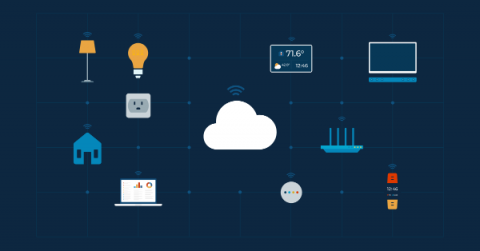
Large IoT environments are highly complex and comprise multiple layers of disparate devices that must move data between each other, across potentially unreliable connections. Having visibility into each layer of your IoT environment is critical for quickly identifying problems with your deployment that could negatively impact user experience.
Continuing in our series of InfluxDays recaps, we turn our attention to Brian Gilmore’s presentation on Industrial IoT. This is an area that uses time series data extensively and has a lot of room to expand the way it uses this data. Here’s a quick breakdown of where things stand today.
Companies need to consider both how fast they can put edge applications into action and update them, and how quickly they can process incoming data. Industrial processes are becoming increasingly automated as sensors on machines collect a growing amount of data. Much of this data is time-stamped and can help companies improve processes. This large volume of sensor data can become unwieldy if companies don’t manage it properly.
Time series data is a sequence of data points generated through repeated measurements indexed over time. The data points originate from the same source and track changes at different points in time. Times series data includes data like stock exchange data, monthly inflation data, quarterly gross domestic product (GDP) data, and logs from IoT sensors.
Lua is one of the many great interpreters that can be run on embedded devices. It’s fast, uses little memory, is written in ANSI C, and is known by plenty of developers. These are a few of the many reasons why the team at Panic chose to include a Lua interpreter on their Playdate device and allow games to be written in it. You can think of Lua as an alternative to the MicroPython (Python) or JerryScript (Javascript) interpreters. However, there’s a problem.