Operations | Monitoring | ITSM | DevOps | Cloud

The latest News and Information on Log Management, Log Analytics and related technologies.

How to Analyze Game Data from Killer Queen Using Machine Learning with Sumo Logic Notebooks

This year, at Sumo Logic’s third annual user conference, Illuminate 2018, we presented Sumo Logic Notebooks as a way to do data science within the Sumo Logic platform. Sumo Logic Notebooks integrate Sumo Logic data, data science notebooks and common machine learning frameworks.


Generating Word Embeddings with Gensim's word2vec

During our Activate presentation, we talked about how to do query expansion by dynamically generating synonyms. Instead of statically defining synonyms lists, we showed a demo of how you could use word2vec to derive synonyms from a dataset. Before we start, check out a useful Solr Cheat Sheets to guide you through Solr and help boost your productivity and save time.

How to Read Log Files on Windows, Mac, and Linux

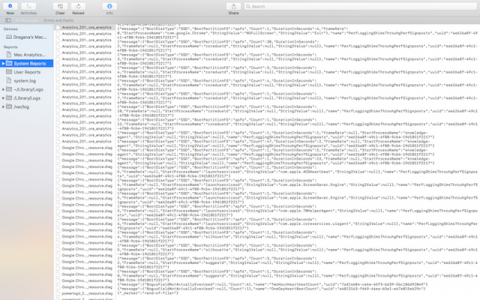
Logging is a data collection method that stores pieces of information about the events that take place in a computer system. There are different kinds of log files based on the kind of information they contain, the events that trigger log creation, and several other factors. This post focuses on log files created by the three main operating systems--Windows, Mac, and Linux, and on the main differences in the ways to access and read log files for each OS.

Dynamically Provisioning Local Storage in Kubernetes

At LogDNA, we’re all about speed. We need to ingest, parse, index, and archive several terabytes of data per second. To reach these speeds, we need to find and implement innovative solutions for optimizing all steps of our pipeline, especially when it comes to storing data.

Log Analysis and the Challenge of Processing Big Data

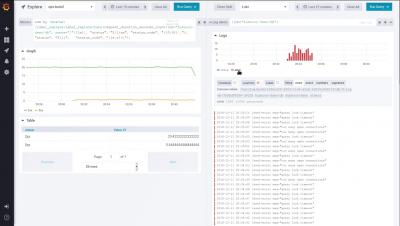
To stay competitive, companies who want to run an agile business need log analysis to navigate the complex world of Big Data in search of actionable insight. However, scouring through the apparently boundless data lakes to find meaningful info means treading troubled waters when appropriate tools are not employed. Best case scenario, data amounts to terabytes (hence the name “Big Data”), if not petabytes.