Operations | Monitoring | ITSM | DevOps | Cloud

The latest News and Information on DevOps, CI/CD, Automation and related technologies.

Resolve's Agents of IT podcast - Ep. 8 - Sean and Ari's Hot Takes #4

Everyone’s talking about generative AI. Few are doing it right. In this episode of Agents of IT, we break down what actually matters when bringing agentic AI into the enterprise. We challenge the myth of “AI readiness,” unpack the real build vs. buy decision, and explain why companies should stop building platforms and start building domain intelligence.

How to Protect a Server from DDoS Attacks: 10 Practical Ways That Actually Work

DDoS attacks are no longer exotic weapons used only against banks, governments, or global tech giants. Today, a small online store, a SaaS startup, or even a personal blog running on a VPS can become a target. The barrier to launching an attack has dropped dramatically, while the damage such attacks can cause has only grown. Any server connected to the internet is exposed by default - the only real question is how prepared it is.

From Downtime to Stability: The Role of Managed IT in Modern Operations

Operational downtime has become one of the most expensive risks modern organizations face. A single system failure can halt workflows, expose security gaps, and drain revenue within hours. And as businesses in Long Beach & beyond grow more dependent on digital systems, the margin for IT failure keeps shrinking. Yet many operations teams still rely on reactive IT models, fixing issues only after they cause disruption.

Leading Open Source Teams w/ Daniel Roe

In this episode, Daniel Roe, Lead Maintainer of the Nuxt framework, discusses his journey from studying law and theology to leading a major open-source framework. He explains Nuxt's unique governance and how Nuxt manages contributions through volunteer-driven work, LLM-powered issue triage, and creating welcoming spaces for newcomers to open source. This week, our chat touches on a variety of topics including.

Heroku vs. Kubernetes

If you are deciding where to deploy a web app, you will almost always run into a choice between a platform like Heroku and running on Kubernetes. This article will compare Heroku and Kubernetes. They are two popular platforms for deploying and managing applications. This article breaks down the key differences in architecture, use cases, complexity, cost, and scalability to help engineers choose the right go-to platform for their needs.

Harness Database DevOps Now Supports Google AlloyDB

Harness Database DevOps now natively supports Google AlloyDB, enabling enterprises to manage PostgreSQL-compatible schema changes with CI/CD, GitOps, and policy-driven governance. Teams gain faster, safer, and fully auditable database delivery while reducing operational risk and manual overhead across environments. As organizations double down on cloud modernization, Google Cloud’s AlloyDB for PostgreSQL is quickly becoming the preferred engine for mission-critical applications.

Why Release Control Takes Weeks

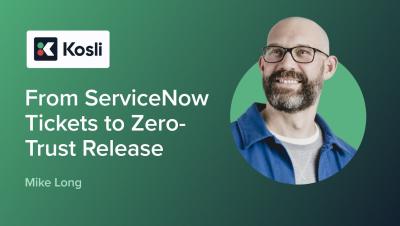
The industry standard for release control is painfully manual: long-form policy documents, ServiceNow forms, human approvals, meetings, and tickets that take days or even weeks to close. In this video, Mike Long (CEO & Co-founder, Kosli) explains the difference between manual release control and an automated, zero-trust model where evidence is collected automatically, provenance identifies the artifact, and approvals can be fully codified.

Evidence as an Input

Evidence isn’t something you produce at the end — it’s something every control generates for the next one. In this video, Mike Long (CEO & Co-founder, Kosli) explains how vulnerability scans produce evidence tied to the artifact fingerprint and the policy file used, and how that evidence becomes an input to downstream controls like release approvals. This is the core of reusable, continuous compliance.