Operations | Monitoring | ITSM | DevOps | Cloud


The latest News and Information on Containers, Kubernetes, Docker and related technologies.

Kubernetes for Data Science: meet Kubeflow
Data science has exploded as a practice in the past decade and has become an undisputed driver of innovation. The forcing factors behind the rising interest in Machine Learning, a not so new concept, have consolidated and created an unparalleled capacity for Deep Learning, a subset of Artificial Neural Networks with many “hidden layers”, to thrive in the years to come.
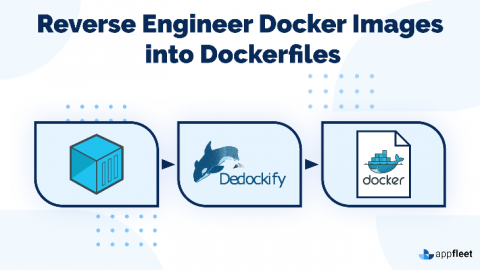
Reverse Engineer Docker Images into Dockerfiles
This article explores how we can reverse engineer Docker images by examining the internals of how Docker images store data, how to use tools to examine the different aspects of the image, and how we can create tools like Dedockify to leverage the Python Docker API to create Dockerfiles from source images.
Kubernetes on Windows with WSL 2 and Microk8s
How To Monitor Containers in Real-Time with Datadog Live Containers | Datadog Tips & Tricks
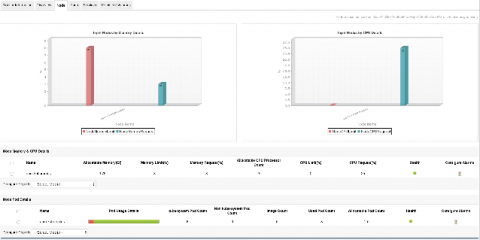
Kubernetes performance monitoring
Kubernetes is an open source-system for managing containerized applications across multiple hosts. It aims to provide a “platform for automating deployment, scaling, and operations of application containers across clusters of hosts.” Originally developed by Google, it is now maintained by the Cloud Native Computing Foundation (CNCF).

KMC - Windows Kubernetes Cluster Support in Rancher 2.4 - 2020-05-20
Kubernetes GitOps with Azure Arc and Charmed Kubernetes
This week, Canonical announced the integration of Charmed Kubernetes with Microsoft Azure Arc. This integration provides businesses with a centralised place to manage their Kubernetes clusters and deploy their applications at scale, from cloud to the edge. The Azure Arc dashboard enables management and governance of any Kubernetes, across any substrate.
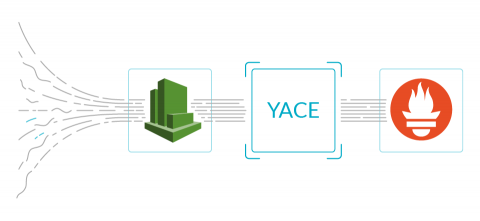
Improving the Prometheus exporter for Amazon CloudWatch
A Prometheus CloudWatch exporter is a key element for anyone wanting to monitor AWS CloudWatch. Exporting CloudWatch metrics to a Prometheus server allows leveraging of the power of PromQL queries, integrating AWS metrics with those from other applications or cloud providers, and creating advanced dashboards for digging down into problems. But, who watches the watcher? Despite those advantages, using the wrong exporter or an incorrect configuration can have bad consequences in production environments.