How to use Checkly local and remote environment variables
Learn in this video how to use environment variables with the Checkly CLI and your Monitoring as Code workflow.


The latest News and Information on API Development, Management, Monitoring, and related technologies.
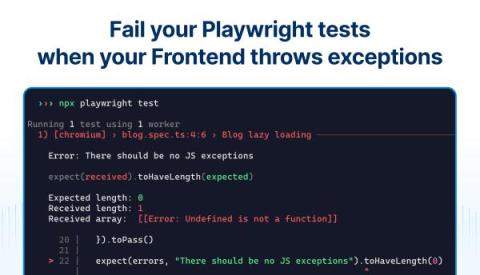
Table of contents Frankly, end-to-end testing and synthetic monitoring are challenging in today’s JavaScript-heavy world. There’s so much asynchronous JavaScript code running in modern applications that getting tests stable can be a real headscratcher. That’s why many teams rely on testing mission-critical features and treat “testing the rest” as a nice to have. It’s a typical cost-effort decision.
You'll often hear us saying "everyone loves a dashboard", and that's most certainly true, but nobody loves staring at a screen all day waiting for something to happen. Real magic is when your awesome dashboard comes to you, where you need it, when you need it. Over the last few months we've introduced a bunch of powerful features to make "taking action" as simple as possible... Monitors let you define the health of your data so you can see at a glance if something isn't right.
Application Programming Interfaces, or APIs, are rules and protocols that allow one software application to interact with another, and can be found everywhere in today's digital ecosystem. From the weather app on your smartphone pulling data from a remote server to provide real-time weather information, to the payment gateway service that processes your online purchases, APIs facilitate the seamless flow of data and services.
Beautiful syntax-highlighted GraphQL errors are coming — get ‘em while they’re fresh! Not that we encourage you to add more errors of any kind to your code. But if you do, they’ll now look so much better in Sentry.