The latest News and Information on Monitoring for Websites, Applications, APIs, Infrastructure, and other technologies.
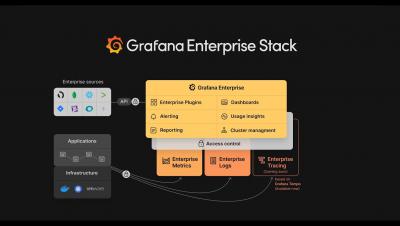
Not all industries are the same in terms of the sensitivity of data they handle. And as you mature as a company, you need to be more careful of how you handle your critical data. With the advent of modern cloud native technologies & Kubernetes, on-prem software is more viable now.
VMware is one of the top virtualization software that allows you to create virtual machines and make the best use of your resources. One of the major focuses of virtualization solutions is to enable optimized use of resources like memory and computing power, but overcommitting your hypervisor towards greedy resource management can lead to severe degradation in the overall performance.
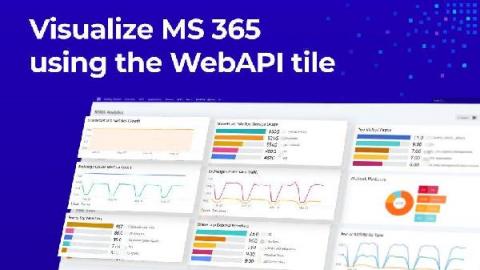
In the last blog post, I walked you through how to connect to the Microsoft Graph API so you can start pulling in the M365 analytics to create a dashboard in SquaredUp. In this blog post, I’ll walk you through exactly how to create this dashboard. This dashboard will allow you to monitor key metrics for Microsoft 365 SharePoint, Exchange Online, and Teams so you can be proactive in assigning storage.
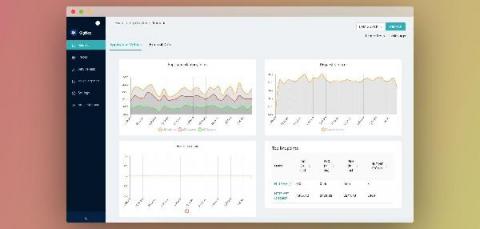
Why we felt there was a need for a full stack open source observability platform and how we went about building it.
APIs are the backbone of software products. Whether the APIs are customer facing or for internal use, making sure that your APIs are up and running is crucial. In this post, we will see how to get started with API monitoring with Checkly.
Cron jobs handle a lot of background plumbing that keep applications running smoothly. But cron job failures often go unnoticed and be disastrous for your users and business. To make sure that you are aware about cron job issues, you should use a cron monitoring tool. In this post, we will see how to get started with Cronitor to monitor your cron jobs.
Starting today, Honeycomb’s Management API is generally available to all Honeycomb users. The Honeycomb Management API is a set of endpoints that lets you programmatically set up, configure, and delete queries, datasets, derived columns, and more. With this release, you can now manage Honeycomb with configuration as code either directly via API or with third-party tools, like Terraform, using the community-contributed Honeycomb provider.