Operations | Monitoring | ITSM | DevOps | Cloud

The latest News and Information on Log Management, Log Analytics and related technologies.

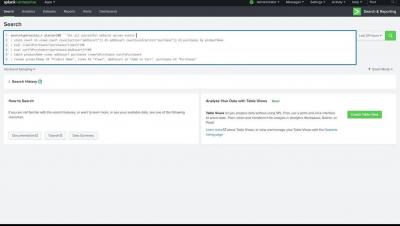
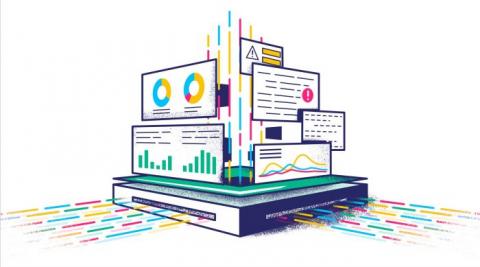
SIEM Tutorial: What should a good SIEM Provider do for you?

Modern day Security Information and Event Management (SIEM) tooling enterprise security technology combine systems together for a comprehensive view of IT security. This can be tricky, so we’ve put together a simple SIEM tutorial to help you understand what a great SIEM provider will do for you. A SIEM’s responsibility is to collect, store, analyze, investigate and report on log and other data for incident response, forensics and regulatory compliance purposes.
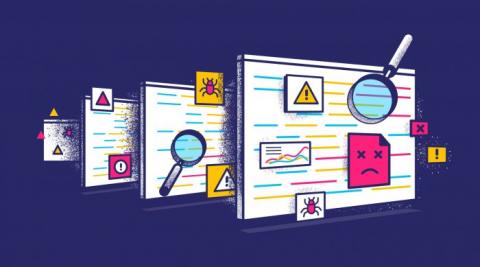
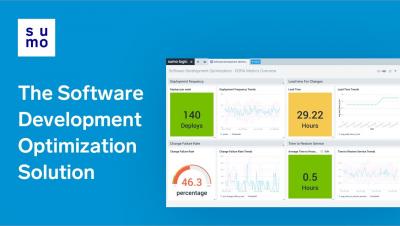
Are your customers catching production problems before you do?

Availability and quality are the biggest differentiators when people opt for a service or product today. You should be aware of the impact of your customers alerting you to your own problems, as well as how to stop this from becoming the norm. To make sure you don’t become an organization known for its bugs, understanding the organizational changes required to deliver a stable service is key.

Want to Have a Log Management System that is Secure and Yet Efficient?

Across the technology and IT infrastructure domain, log files are recognized as often time-stamped files that can virtually record all critical information about events occurring within the purview of your IT network, OS, or other software applications. Some log files are humanly interpretable, while others are largely meant for machines to consume.

Triaging Log Management Through SIEMS

While all cybersecurity professionals agree that log management is integral for robust proactive and reactive security, managing the enormous amount of data logs can be a challenge. While you might be tempted to collect all logs generated from your systems, software, network devices, and users, this “fear of missing out” on an important notification ultimately leads to so much noise that your security analysts and threat hunters cannot find the most important information.

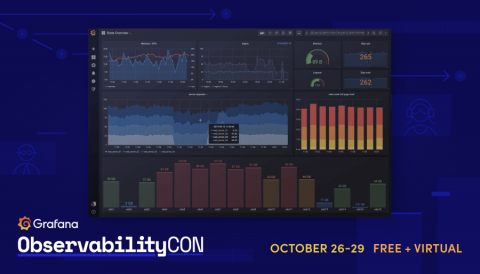
ObservabilityCON Day 3 recap: What's new in Loki 2.0, tracing made easy with Tempo, observability at the Financial Times, and a Minecraft NOC

Today is the last day of ObservabilityCON 2020! We hope you’ve had the chance to catch the talks so far, and will tune in live for today’s sessions. View the full schedule on the event page, and for additional information on viewing, participate in Q&As, and more, check out our quick guide to getting the most out of ObservabilityCON. If you aren’t up-to-date on the presentations so far, here’s a recap of day three of the conference.

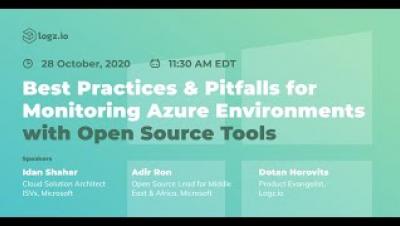
Best Practices and Pitfalls for Monitoring Azure Environments with Open Source Tools

Cloud Solution Architect Idan Shahar and Open Source Lead Adir Ron, from Microsoft, join Logz.io product evangelist Dotan Horovits to share how access to the most popular open source tools in a single platform maximizes your DevOps team productivity when they’re monitoring Microsoft Azure environment for production issues.

The Top Paid, Free & Open Source Business intelligence (BI) Tools For 2021

Business Intelligence (BI) tools allow businesses to gather, process and analyse large amounts of data so that they are able to make decisions and see opportunities as well as visualise and report on key metrics for Stakeholders. The range of Business Intelligence tools available to use is an ever-expanding list with newcomers to the market appearing every year.