Sumo Logic - Metrics Basics Workshop
Sumo Logic - Metrics Basics Workshop


The latest News and Information on Log Management, Log Analytics and related technologies.
In my previous blog post, I demonstrated how to use Prometheus and Fluentd with the Elastic Stack to monitor Kubernetes. That’s a good option if you’re already using those open source-based monitoring tools in your organization. But, if you’re new to Kubernetes monitoring, or want to take full advantage of Elastic Observability, there is an easier and more comprehensive way. In this blog, we will explore how to monitor Kubernetes the Elastic way: using Filebeat and Metricbeat.
Development cycles are complicated. If you’re on a development team, whether you’re building out a custom application, maintaining and iterating on a growing microservice, or breaking ground on a new platform for a startup, you have your hands full. Log management, though seldom celebrated outside hardcore DevOps and IT circles, is still a well-known instrument among seasoned developers. It is insight into the internal workings of your processes as they are used.
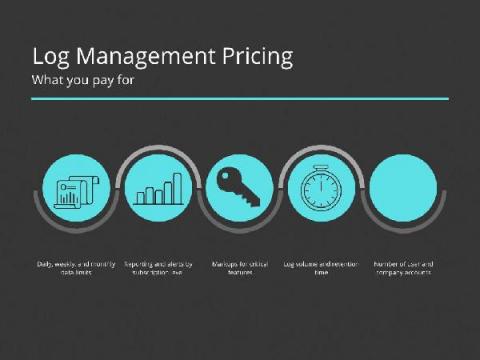
Purchase decisions often begin with a price check. Log management is no different. Evaluate your budget and narrow down the options that fit to choose the tool that gives you the most for what you pay. As always, cheaper is better as long as the platform doesn’t cut any corners. But with log management, there is a catch – not all tools are transparent with their pricing model.
Log centralization is kind of like brushing your teeth: everyone tells you to do it. But until you step back and think about it, you might not appreciate why doing it is so important. If you’ve ever wondered why, exactly, teams benefit from centralized logging and analysis, keep reading. This article walks through five key advantages of log centralization for IT teams and the businesses they support.
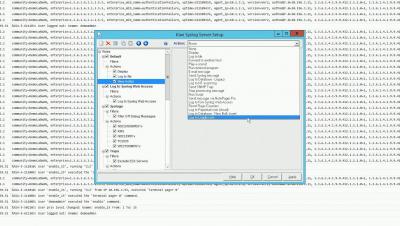
Site Reliability Engineering (SRE) and Operations (Ops) teams heavily rely on notifications. We use them to know what’s going on with application workloads and how applications are performing. Notifications are critical to ensuring SREs and Ops teams can resolve errors and reduce downtime. They’re also crucial when monitoring environments — not only when running in production but also during the dev-test or staging phase.
In the past few years, JavaScript has evolved in several ways and has come a long way. With the evolving technology, machines are becoming more powerful, and browsers are getting more robust and compatible. In addition, Node.js’s recent development for JavaScript’s execution on servers, JavaScript has been getting more and more popular than ever before.