Operations | Monitoring | ITSM | DevOps | Cloud

The latest News and Information on DevOps, CI/CD, Automation and related technologies.

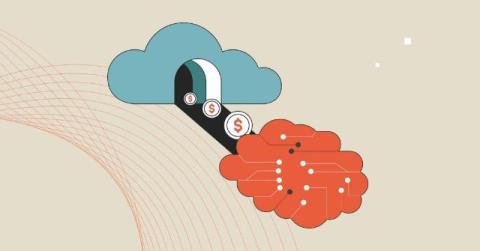
From Trough to Traction: 10 Real-World Lessons in Cloud and AI Efficiency

When CloudZero CTO Erik Peterson joined the SourceForge podcast in January 2026, he didn’t just talk about cloud costs. He reframed them as a launchpad for innovation, survival, and competitive advantage. Whether he was describing the “trough of lost innovation,” the “freemium tax,” or why efficiency is the next frontier of engineering culture, Erik’s expert insights go beyond FinOps hygiene.

Stop wasting time on Postgres migrations. #speedscale #postgresql #postgres #database #programming

If you're spinning up a whole container just for one test, you’re doing it wrong. Old way: Full DB container + pg_restore New way: speedscale + proxymock It records actual DB traffic and mocks it "on the wire." Test smarter, not harder.

AI Can't Prove Compliance by Itself

AI is moving fast, and it’s tempting to believe it can automate software governance end to end. But compliance and security aren’t probabilistic problems. They don’t accept “close enough.” They don’t accept summaries. They can’t tolerate hallucinations. Governance depends on facts. Irrefutable, provable evidence of how systems actually changed.

Governance Doesn't Stop at Deploy

Most governance models focus on what happens before production. Approvals. Tickets. Change records. But software delivery doesn’t end at deploy. Runtime is where change management is validated. It’s where systems prove whether controls actually work and where risk becomes real. If governance stops at deployment, you’re not managing change. You’re managing intent. In this video, Mike Long (CEO & Co-founder, Kosli) explains why runtime is the true source of control, why approvals alone don’t reduce risk, and how modern teams build governance that reflects reality, not paperwork.

How Does Website Infrastructure Impact Operational Efficiency in Growing Teams?

Growing teams don't struggle because of big strategic questions first. They stumble on slow dashboards, broken logins, and sites that freeze during peak traffic. Website infrastructure either clears the runway or scatters debris across it. When systems respond fast, teams ship faster, support fewer fires, and argue less about whose tool failed. Poor infrastructure does the opposite. It multiplies tickets, adds delays, and burns morale. The pattern shows up in every scale-up: technology either amplifies discipline or exposes chaos instantly, sometimes in a single intense quarter of growth.