Operations | Monitoring | ITSM | DevOps | Cloud


The latest News and Information on DevOps, CI/CD, Automation and related technologies.
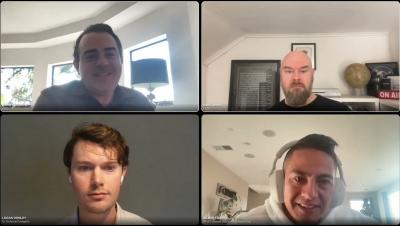
DevOps Institute SKILup Hour: CI/CD | Dec 13, 2022 | Feat Cloudsmith Co-Founder & CEO Alan Carson
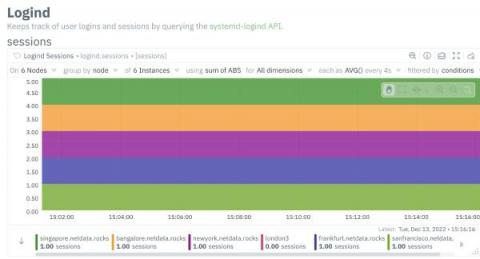
How to monitor and troubleshoot systemd-logind
Find out how to effectively and easily monitor and troubleshoot systemd-logind using Netdata.
What is FluentD, and how does it work with Kubernetes?

Open source in financial services - start with a strong foundation
Financial Institutions (FIs) need to respond with agility and business velocity to keep pace with changing economic conditions. Yet, emerging competition from fintechs and challenger banks and increasing customer expectations is making this task difficult, especially as regulatory and compliance requirements increase. Embracing the next phase of digital transformation is an imperative for financial institutions to sustain and grow in a competitive environment of rising cost pressures.
Cloud Adoption Set To Accelerate in Africa

Five Features Your Enterprise Network Needs in 2023
We reflect on the standout criteria that defined optimal enterprise cloud connectivity this year, and share how you can set up your network for success in 2023.
Getting started with the NGINX ingress controller
When moving production workloads to a new containerized environment, application traffic management (ATM) can become complex. This is especially true for organizations that are transitioning workloads to Kubernetes, as managing traffic requires load balancing and configuring other Kubernetes networking components, such as ingress and ingress controllers.
Rancher Wrap: Another Year of Innovation and Growth
2022 was another year of innovation and growth for SUSE’s Enterprise Container Management business. We introduced significant upgrades to our Rancher and NeuVector products, launched new open source projects and matured others. Exiting 2022, Rancher remains the industry’s most widely adopted container management platform and SUSE remains the preferred vendor for enabling enterprise cloud native transformation. Here’s a quick look at a few key themes from 2022.